

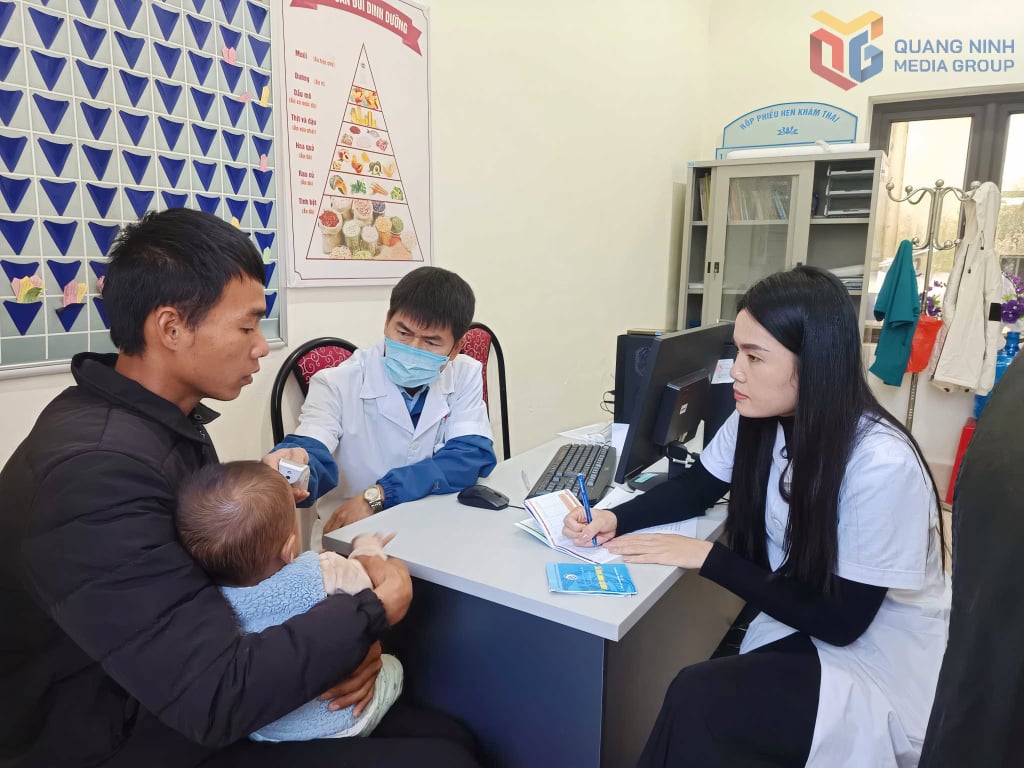
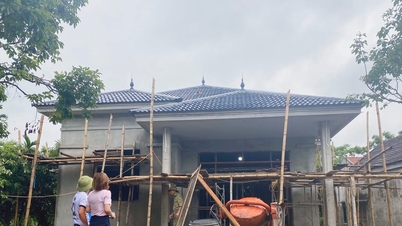
From the moment the Resolution was issued, the province prioritized significant resources for the multidimensional poverty reduction program, livelihood support, and production development. The transportation system, electricity, clean water, schools, and health stations have been invested in comprehensively, helping people in mountainous areas better access basic services. Policies supporting housing for poor and near-poor households and disadvantaged families have been widely implemented; many models supporting livelihoods, vocational retraining, and household economic development have initially yielded clear results.
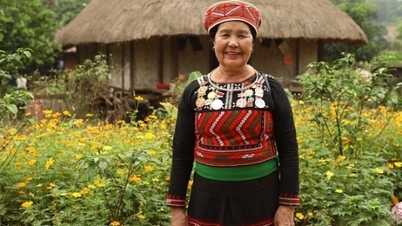
In the former Binh Lieu district, which has the highest percentage of ethnic minorities in the province, the entire political system of the district has actively participated, focusing on leading, directing, and promptly and effectively implementing the policies and guidelines of the Central Government and the province in the socio-economic development of ethnic minority areas.
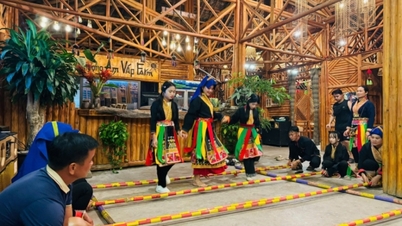
Adhering closely to the contents of Resolution 06, the district directed the development of a plan and selected three breakthrough areas to implement the resolution, in accordance with the characteristics and situation of the locality. Specifically, the three breakthrough areas were clearly identified as: gradually developing and improving the synchronous socio-economic infrastructure in rural areas and among ethnic minority communities; promoting education and training to raise the intellectual level and quality of human resources; and developing agriculture and forestry in conjunction with leveraging the potential and strengths of the natural landscape and cultural traditions of ethnic communities in the area to develop tourism, especially community tourism…
To concretize the Resolution, from provincial and local budgets and socialized resources, Binh Lieu has prioritized and focused on implementing investment projects to develop a synchronous transportation infrastructure in the district, which serves as a driving force for people to rise out of poverty and become wealthy. Notable examples include the project to renovate and upgrade the inter-communal road connecting Huc Dong - Dong Van - Cao Ba Lanh to National Highway 18C, with a total investment of 430 billion VND, which has been completed and put into use; and the project to renovate and upgrade the road connecting National Highway 18C to the terraced rice fields scenic area in Luc Hon commune, with a total investment of 110 billion VND. The road has a total length of approximately 8.73 km and a road width of 5.5-6 m. The starting point connects to National Highway 18C (Ban Pat area, Luc Hon commune) and the end point connects to the inter-communal road connecting Luc Hon - Dong Tam - Hoanh Mo (Ngan Vang Lower village area). The completed and operational road has opened up a synchronized transportation connection between communes, facilitating transportation and trade for the local people.
Since then, Binh Lieu has been one of the localities that effectively implemented the sustainable poverty reduction program following the approach of "giving a fishing rod, not a fish," providing conditional support and encouraging people to proactively improve their lives. As a result, the poverty rate has decreased rapidly year after year, and many villages have escaped the status of being extremely disadvantaged.
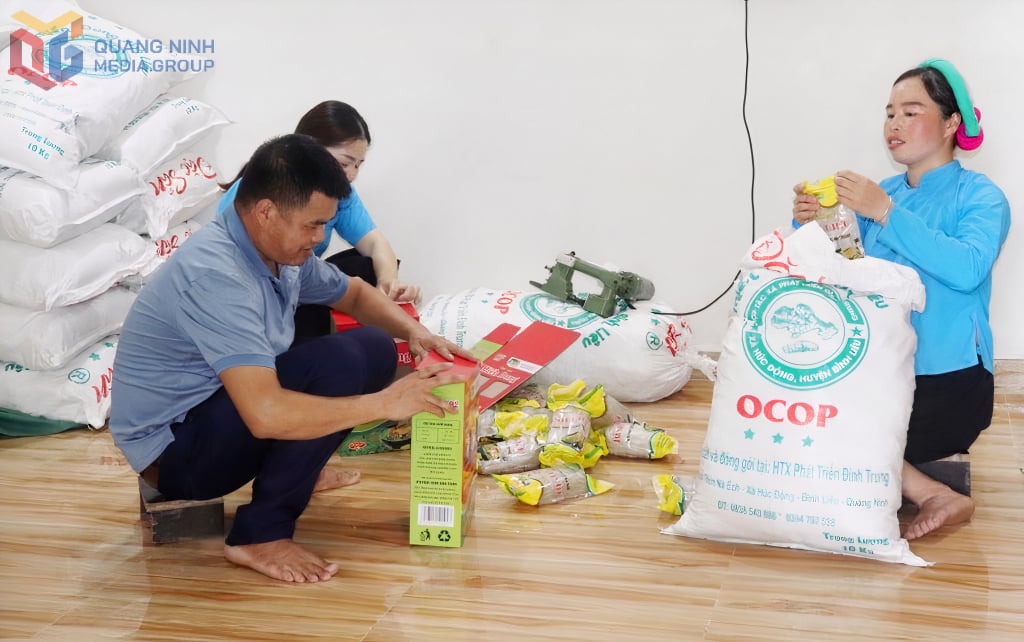
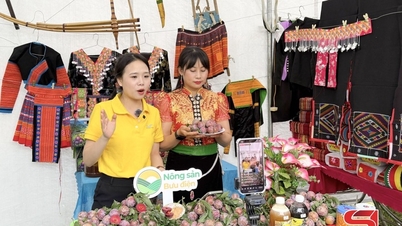
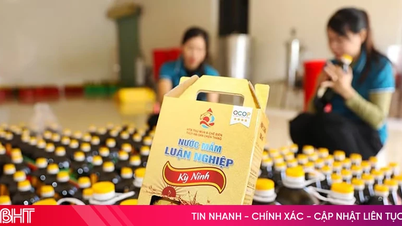
Positive changes in infrastructure and livelihoods have created an important foundation for the locality to promote its distinctive agricultural products and form concentrated commodity production areas. In particular, arrowroot and arrowroot vermicelli have become one of the district's key products, contributing to increased income and stable employment for ethnic minority communities.
Mr. La A Nong, Director of Dinh Trung Development Cooperative (Binh Lieu commune), said: "The vermicelli is made from 100% arrowroot tubers using modern technology. To produce the chewy, delicious vermicelli with its natural color, the cooperative members have accumulated years of experience and strictly adhered to principles from the selection of raw materials, cleaning the arrowroot tubers, grinding the flour, drying, etc. Member households have invested in modern machinery, thus increasing productivity while still ensuring food safety and saving time and labor."
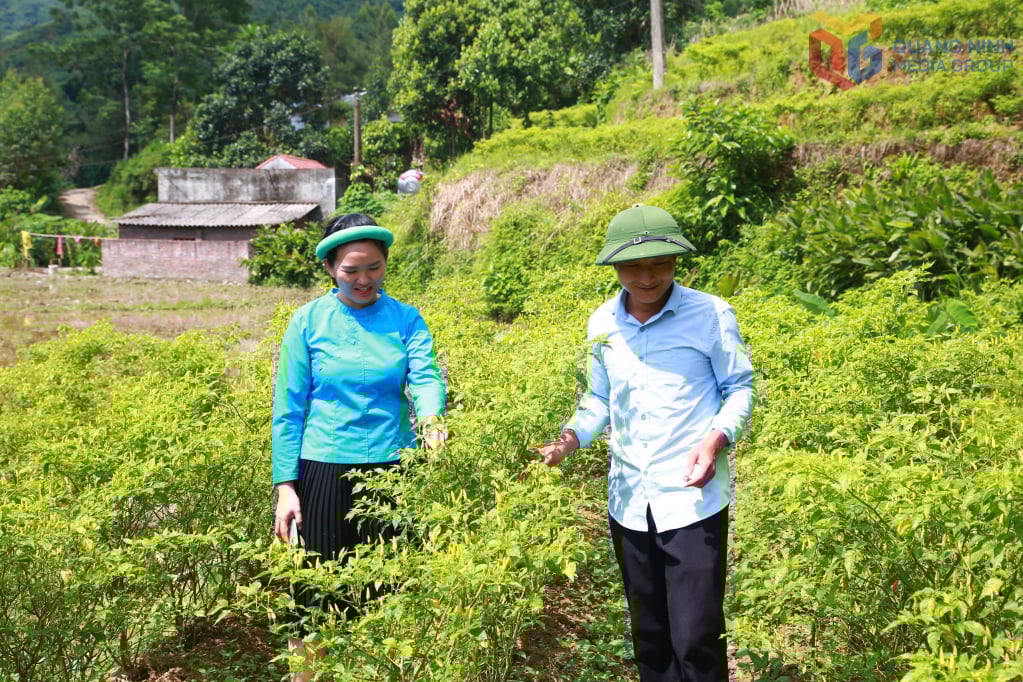
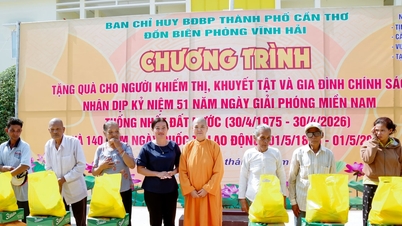
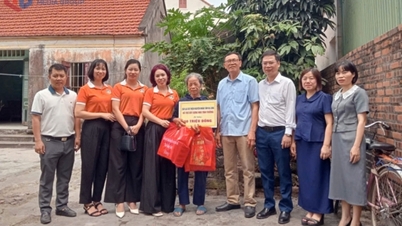
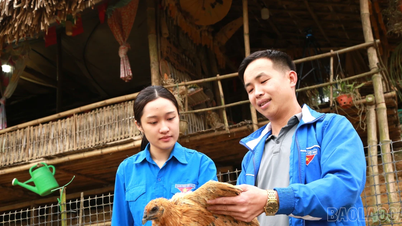
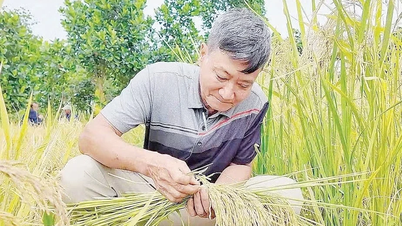
It can be seen that, thanks to investment resources from programs and projects on socio-economic development in ethnic minority areas, many households have received support in developing production, accessing preferential loans, and transforming crop and livestock structures to suit local conditions. As a result, the lives of the people have gradually improved significantly.
The province has achieved the National Target Program for Sustainable Poverty Reduction (2021-2025) three years ahead of schedule and no longer has any poor or near-poor households according to the province's poverty standard (1.4 times higher than the central government's poverty standard in terms of income criteria); at the same time, it continues to focus on improving quality and supplementing criteria/indicators to meet the standards of New Rural Development (NRD) according to the NRD criteria set for the 2021-2025 period for communes in ethnic minority areas, mountainous, border, and island regions. Quang Ninh has also been recognized by the Prime Minister as having completed the NRD construction task in 2024. Recently, the Provincial People's Committee issued Decision No. 4559/QD-UBND dated December 1, 2025, approving the results of the review of poor and near-poor households at the end of 2025 in Quang Ninh province. Accordingly, the entire province no longer has poor or near-poor households according to the multidimensional poverty standard for the period 2023-2025 as stipulated in Resolution No. 13/2023/NQ-HĐND of the Provincial People's Council.
The achievements show that Quang Ninh is gradually ensuring sustainable social security, creating a foundation for ethnic minority communities to rise up and develop comprehensively.
Source: https://baoquangninh.vn/bao-dam-an-sinh-xa-hoi-ben-vung-3387390.html

![[Photo] General Secretary and President To Lam meets with National Assembly delegates from ethnic minorities.](https://vphoto.vietnam.vn/thumb/1200x675/vietnam/resource/IMAGE/2026/04/20/1776696701056_a1-bnd-8331-3342-jpg.webp)


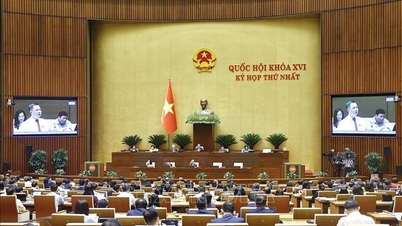
![[Image] National Assembly discusses the implementation of the socio-economic development plan.](https://vphoto.vietnam.vn/thumb/1200x675/vietnam/resource/IMAGE/2026/04/20/1776696707422_ndo_br_img-20260420-185419-jpg.webp)































































Comment (0)