

Editor's note: The story of Mr. Luong Hoai Nam, General Director of Bamboo Airways, being temporarily banned from leaving the country due to the company's tax debt has sparked a debate about the role of temporary travel bans in tax debt recovery. For businesses that deliberately delay or refuse to pay taxes, strong measures are necessary. However, many businesses are upset when their leaders are denied exit from the country for owing only 1-10 million VND in taxes. The series of articles "Behind the Temporary Suspension of Businesspeople's Departures to Collect Tax Debts" by VietNamNet offers a multi-faceted perspective from businesses and authorities in order to find appropriate solutions to this issue. |
Article 1: Businessman's departure delayed due to debts of a few million or billions: 'I wouldn't gamble with my business'
Article 2: Leaders of the General Department of Taxation: No rigid restrictions on postponing the departure of businesspeople with tax debts.
Few people would risk their reputation to delay paying a few million dong in taxes.
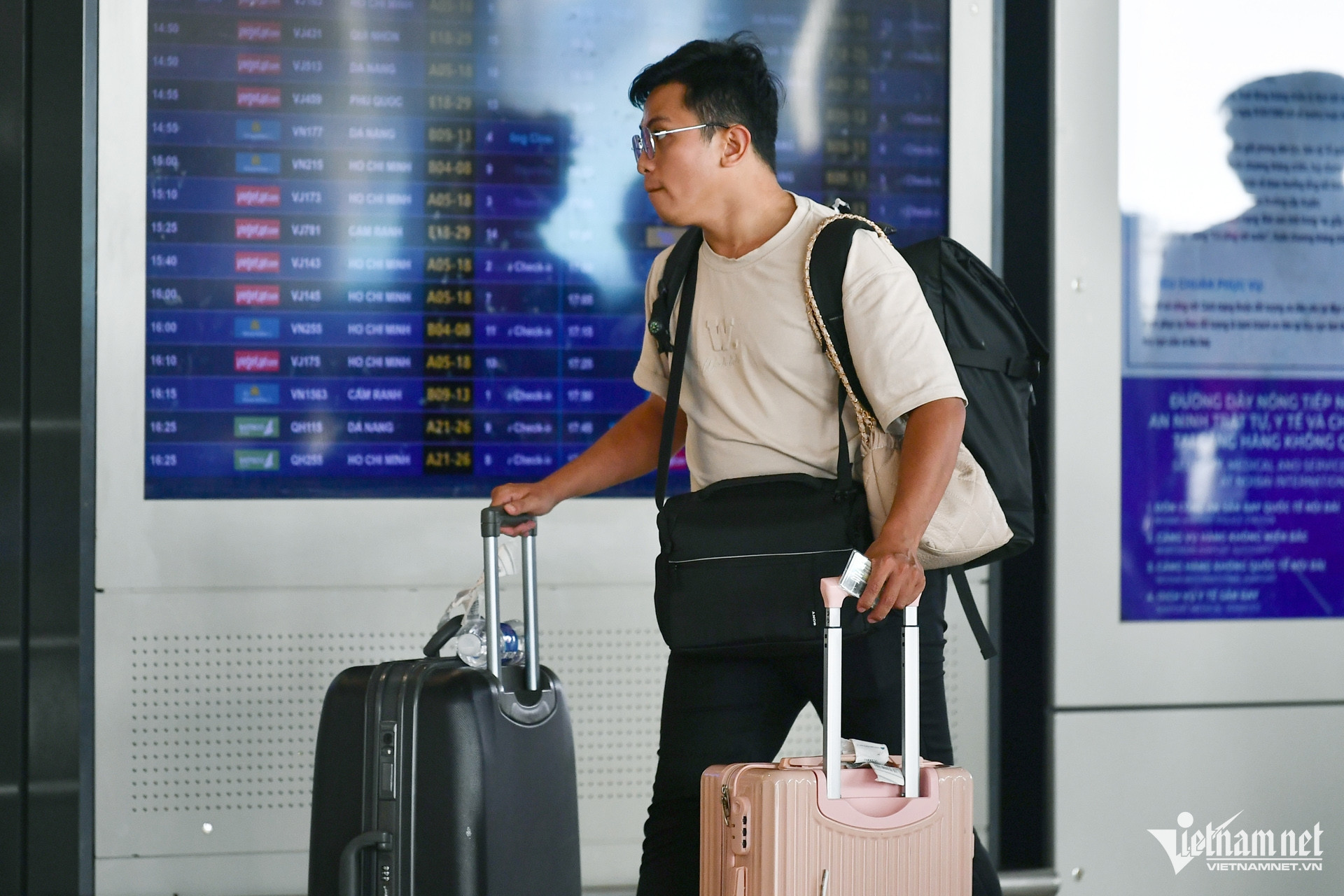
As VietNamNet has reported, many businesses are frustrated when their leaders are denied exit from the country for owing only 1-10 million VND in taxes. In many cases, they are unaware of their tax debts and are temporarily denied exit until they reach the airport.
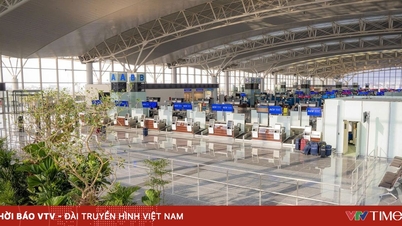
Speaking with a VietNamNet reporter, Mr. Chung Thanh Tien, Chairman of the "Understanding Right - Doing Right" Accounting Association, shared: Many individuals with multiple sources of income, due to oversight, find themselves in tax arrears because their income-paying entities haven't declared taxes. The tax debt might only be a few million dong. When tax arrears information appears on the system for over 90 days, some tax authorities simply transfer the files to immigration authorities to process temporary travel bans for the tax-owing individual. Only when they arrive at the airport to travel abroad do they realize they've been stopped and notified of a temporary travel ban. This is completely unacceptable.
"The tax authorities must find a way to contact those whose departures have been temporarily suspended. If there is adequate notification and warning, few people would risk their reputation to delay paying a few million dong in taxes. The tax authorities need to reconsider this and not rush to make decisions to temporarily suspend the departures of tax debtors," Mr. Tien commented.
Tax expert Cao Xuan Thi also raised the question of whether the tax authorities had fully informed the legal representatives of the businesses. If they only learned about the temporary travel ban at the airport, it means that the information provided to the business or its legal representative was incomplete. This requires a review of the process.
According to Mr. Thi, before applying the measure of temporarily suspending exit from the country for individuals, there needs to be a complete information process so that tax debtors know they are on the tax debt list and must fulfill their tax obligations before being allowed to leave the country.
"If the tax authorities don't have enough resources to handle this, then another agency responsible for immigration should notify the legal representative so they are aware that they owe taxes and are temporarily suspended from leaving the country. Because no one would delay paying a few million dong to the point of having their departure suspended, affecting their business and reputation," Mr. Cao Xuan Thi shared.
If a business commits to paying taxes, it will not be subject to a travel ban.
Mr. Chung Thanh Tien, Chairman of the Accounting Association, emphasized that collecting tax debts is one of the solutions to ensure revenue for the state budget. For businesses that deliberately delay or refuse to pay taxes, even after the tax authorities have applied all measures stipulated in the Tax Administration Law, such as debiting bank accounts or requesting the Department of Planning and Investment to revoke business licenses, temporarily suspending their departure is the appropriate course of action.
However, tax authorities must follow each step correctly as stipulated in the Tax Administration Law; only after sufficient enforcement measures have been taken and the tax debt is still not collected should the case be transferred to the immigration authorities to issue a decision to temporarily suspend the exit of the tax-owing individual or the legal representative of the tax-owing enterprise.
“For businesses facing difficulties due to the economic downturn and unable to balance their cash flow, thus preventing them from paying taxes, solutions need to be found to support them. Taxpayers should approach the tax authorities, clearly explain their difficulties, provide written commitments to repay gradually, or have a bank guarantee the payment. The tax authorities should handle this leniently to help them find solutions, rather than hastily applying measures such as temporarily suspending their departure from the country.”
"The Law on Tax Administration already clearly stipulates this issue, and the tax authorities should consider and guide taxpayers on how to implement it instead of simply suspending their departure," Mr. Tien stated.
Regarding cases where businesses owe taxes but still have outstanding tax refunds due to insufficient documentation and procedures, Mr. Tien proposed simplifying procedures to allow for offsetting against tax debts and waiving the temporary travel ban for businesses in this category.
Further discussing the measure of publicly disclosing cases of individuals whose departure is temporarily suspended due to tax debt through mass media, Mr. Tien noted: "Doing this will greatly affect the reputation of the business, and the possibility of the business recovering will be extremely difficult. We must also consider the consequences: If the business is dissolved, who will take care of its workforce?"
In addition, Mr. Chung Thanh Tien also recommended that the authorities reconsider the regulation on temporarily suspending exit permits for foreign businesses whose legal representatives are foreigners. According to current regulations, in the case of Vietnamese taxpayers, only after coercive measures have failed to recover the tax debt will temporary travel bans be implemented. In the case of foreign businesses, the Law on Immigration stipulates that if a foreigner "has not fulfilled their tax obligations," meaning that regardless of the minimum debt amount, the tax authorities can transfer the case to the immigration authorities and issue a temporary travel ban against the legal representative of the business without going through coercive measures. "A review is needed to ensure consistency in legal regulations," Mr. Tien emphasized, adding that this needs to be thoroughly considered to guarantee a favorable business environment. |
Source: https://vietnamnet.vn/khong-de-doanh-nhan-ra-san-bay-moi-biet-bi-hoan-xuat-canh-2325615.html
















































































Comment (0)