

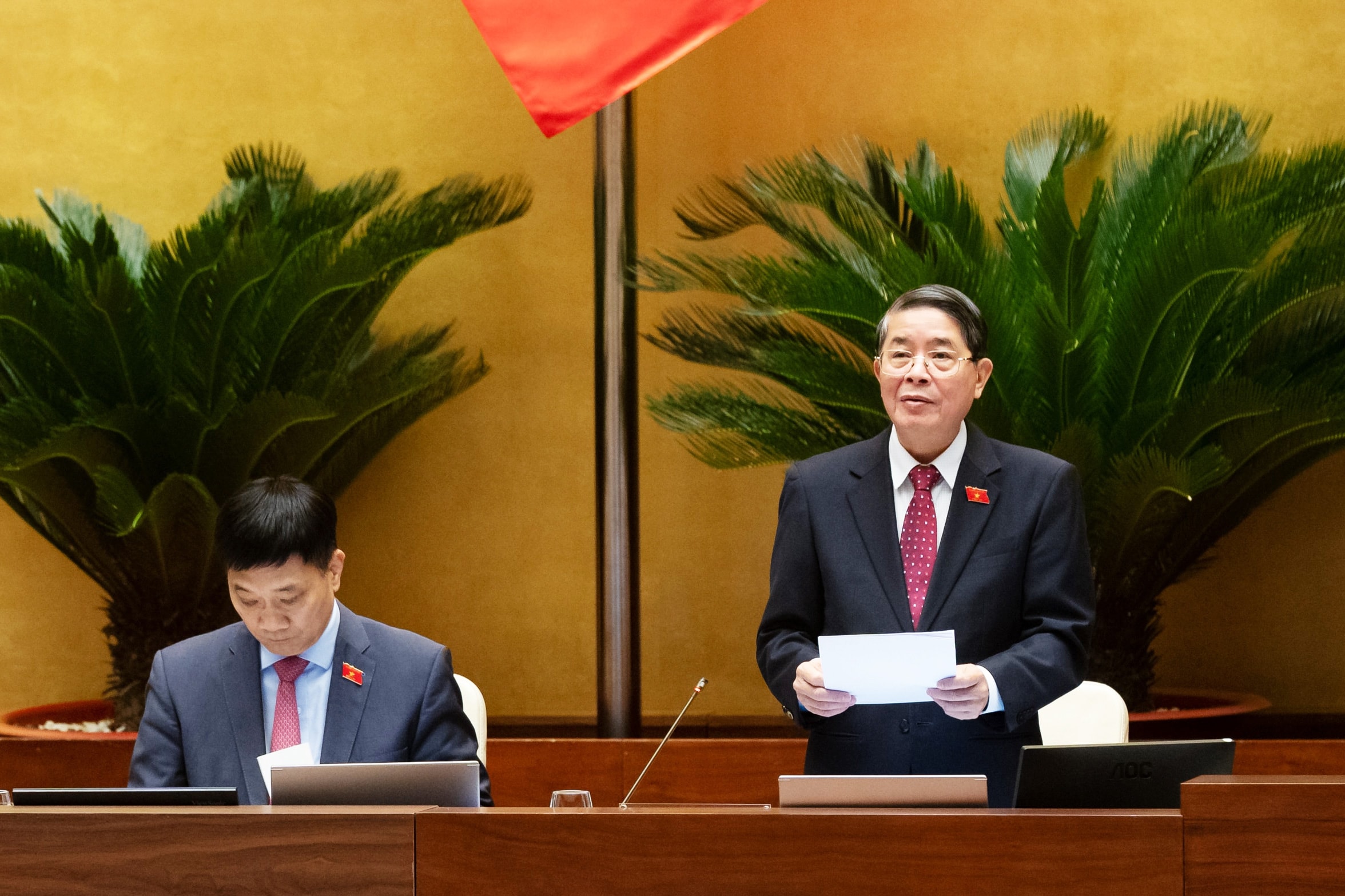
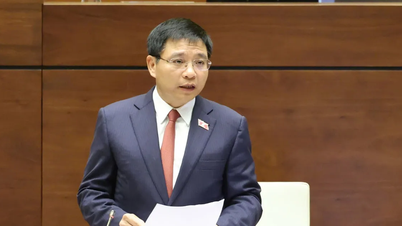
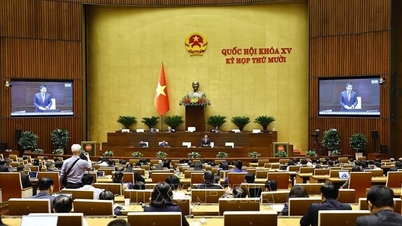
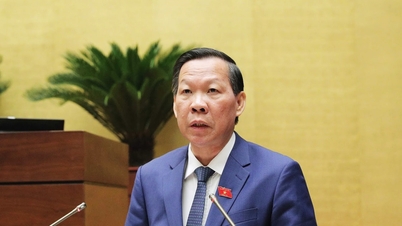
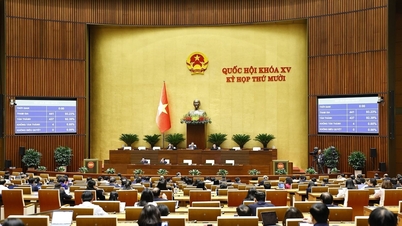
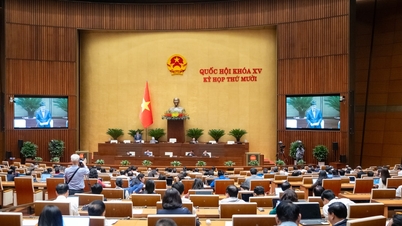
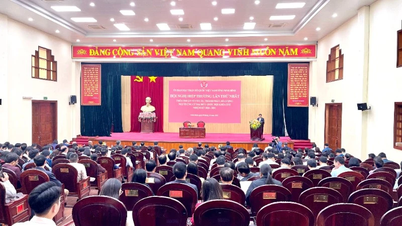
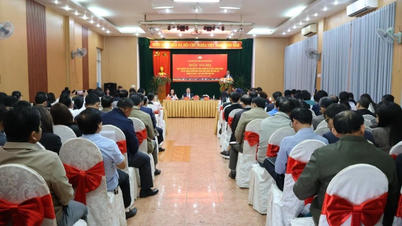
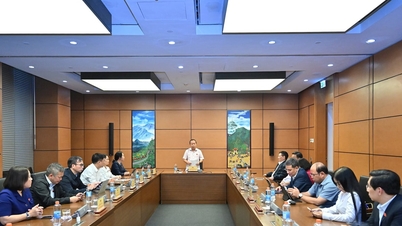
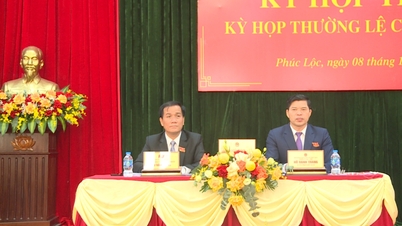
On the morning of December 8, under the direction of Vice Chairman of the National Assembly Nguyen Duc Hai, the National Assembly discussed in the hall the draft Resolution of the National Assembly on specific mechanisms and policies to implement major projects in the capital; the draft Resolution of the National Assembly amending and supplementing a number of articles of Resolution No. 98/2023/QH15 on piloting a number of specific mechanisms and policies for the development of Ho Chi Minh City; the draft Resolution of the National Assembly amending and supplementing a number of articles of Resolution No. 136/2024/QH15 on the organization of urban government and piloting a number of specific mechanisms and policies for the development of Da Nang City and the second round of state budget supplementation (foreign non-refundable capital) in 2025.
Only prescribe a number of specific, outstanding, appropriate, and truly necessary mechanisms and policies.
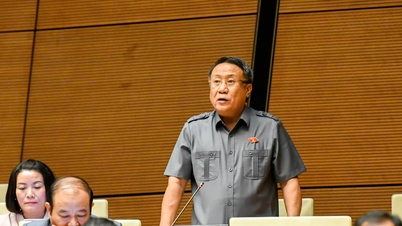
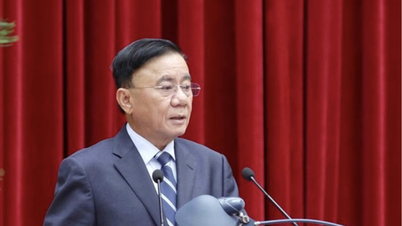
Highly agreeing with the National Assembly's consideration and decision to amend and supplement the Resolutions on piloting a number of specific mechanisms and policies to implement major projects in the capital, developing Ho Chi Minh City and Da Nang , National Assembly Deputy, Most Venerable Thich Thanh Quyet (Quang Ninh) also emphasized that these are three localities that play the role of development drivers, growth cores, regional connection centers and trade gateways of the country. The amendment and supplementation of specific mechanisms and policies not only aims to remove existing difficulties and obstacles but also has strategic significance to "model" a new, more effective and sustainable approach to urban development, suitable for the requirements of the next development stage.
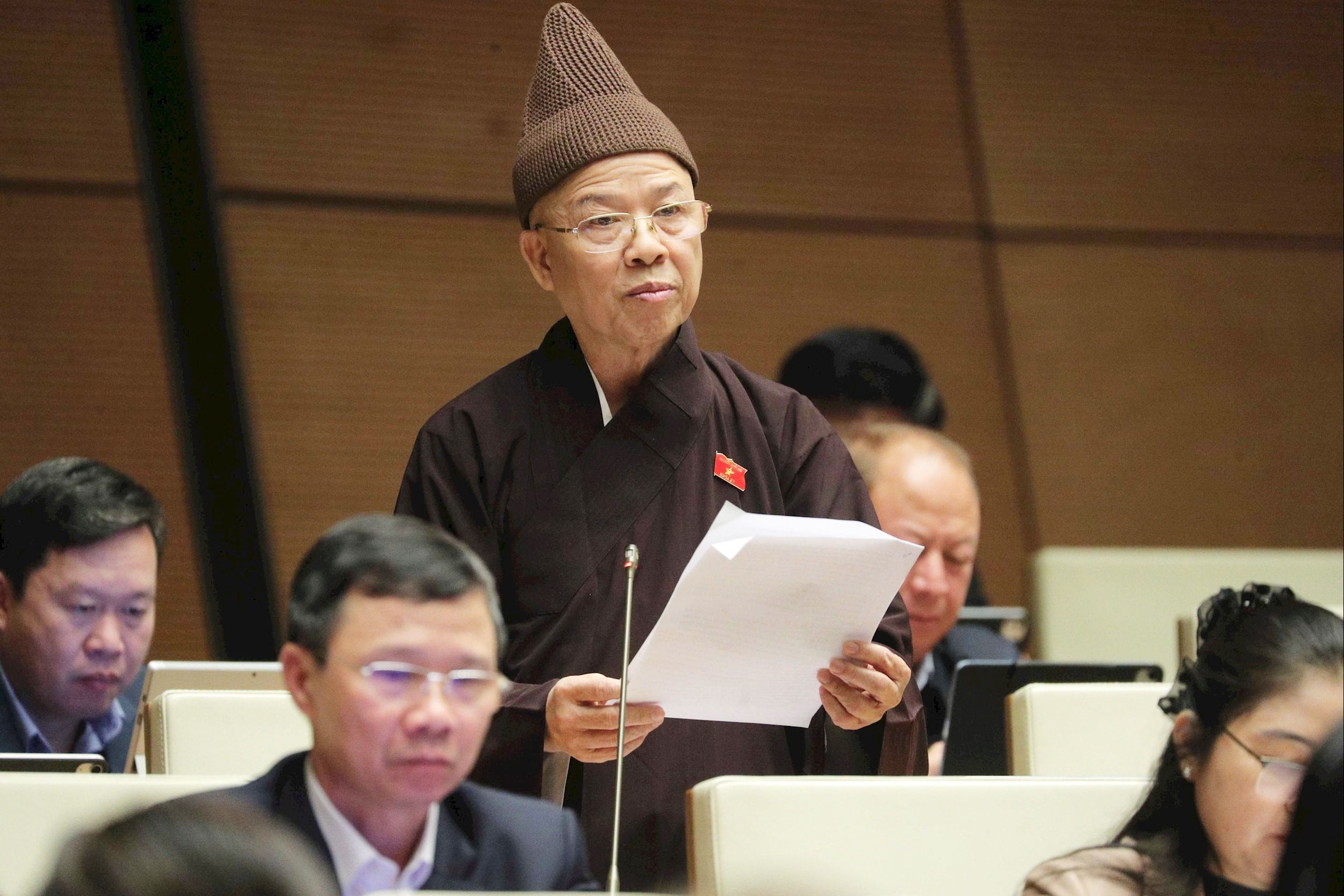
Giving specific comments on the draft Resolution of the National Assembly on specific mechanisms and policies to implement major projects in the capital, National Assembly Deputy, Most Venerable Thich Thanh Quyet expressed his agreement that the draft Resolution will give greater initiative to the City in planning, selecting priority projects, capital mobilization methods and cooperation models with localities such as Bac Ninh, Hung Yen, Hai Phong and the entire Red River - Northern coastal region, creating a strong spreading momentum.
Regarding infrastructure, especially urban railways, National Assembly Deputy, Venerable Thich Thanh Quyet emphasized that this is the backbone for restructuring urban space. The draft Resolution allows Hanoi to proactively decide on investment models, appraise, select investors and allocate resources for urban railway lines. When this system is completed, the City can build modern and civilized apartment complexes, thereby spreading the population away from the urban core, reducing traffic congestion and effectively connecting with satellite cities.
In order for Hanoi to fulfill its role as a locomotive for the capital region and the whole country, National Assembly Deputy, Most Venerable Thich Thanh Quyet also suggested that the draft Resolution should focus on the urban public transport model, taking urban railways as the development axis; promoting the trend of apartment buildings to gradually replace ground-level houses; developing urban areas associated with modern infrastructure; and at the same time, rebuilding the historic inner-city area in a civilized and sustainable direction. This is a strategic, comprehensive solution, creating conditions for Hanoi to reduce the inner-city load, improve the quality of life and truly become the development nucleus of the capital region.
National Assembly Deputy Le Huu Tri (Khanh Hoa) suggested that a thorough review is needed to ensure principles, and only stipulate a number of specific, outstanding, appropriate, and truly necessary mechanisms and policies to implement important large projects in the capital. These mechanisms must be under the National Assembly's decision-making authority but have no laws to regulate them or are different from current laws.
On the other hand, delegate Le Huu Tri suggested that the Government and Hanoi City need to review and carefully evaluate the impact of mechanisms and policies on social classes and strata and the loopholes that can lead to negativity and corruption. It is necessary to issue regulations clearly defining the responsibilities of each level, province and sector, especially the responsibilities of leaders in leading, directing, organizing implementation and inspecting and checking the implementation of mechanisms and policies.
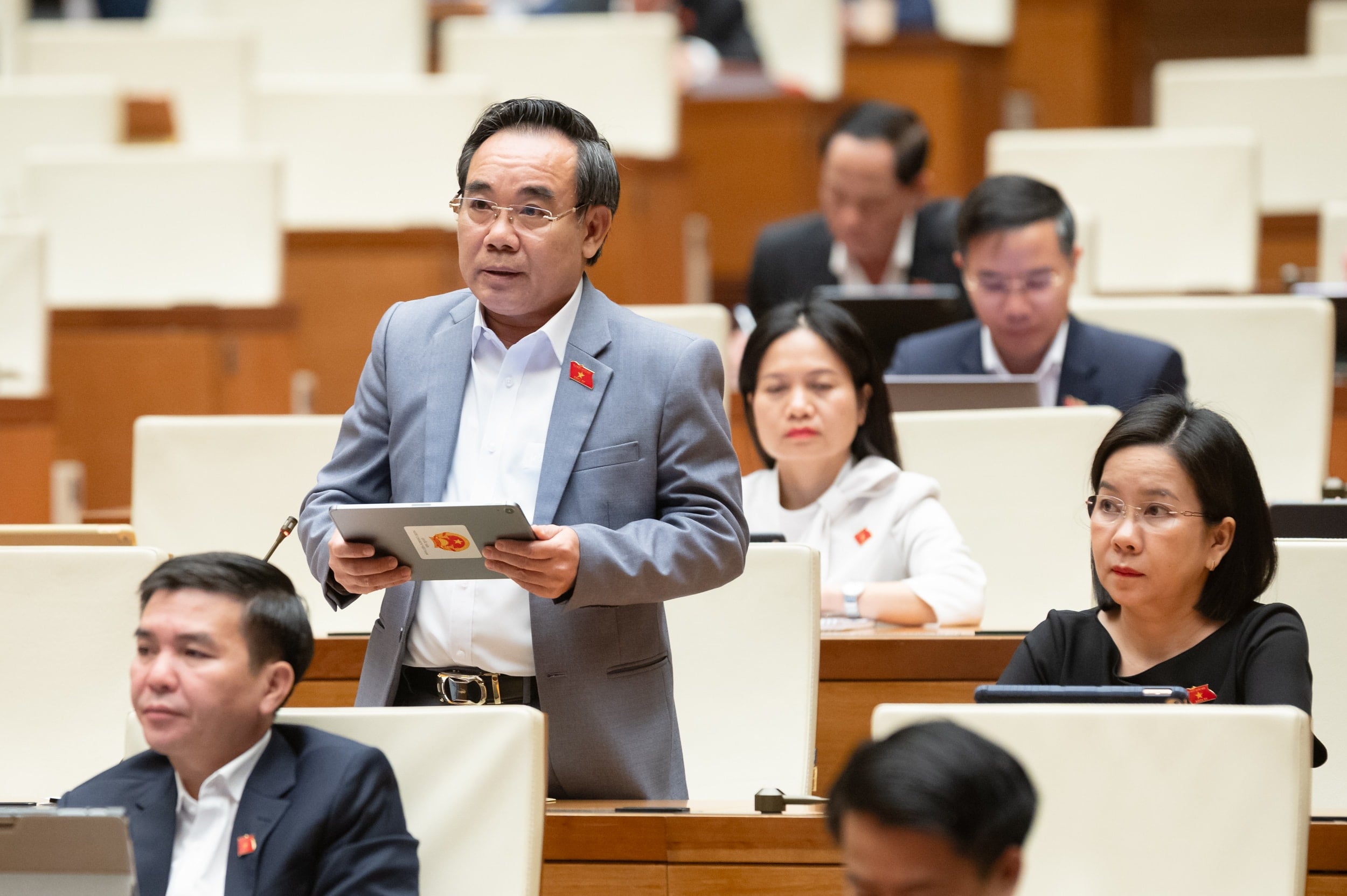
At the same time, issue strict procedures and processes to ensure control of power, prevent risks, prevent complications in security and order, and strictly handle organizations and individuals who take advantage of policy mechanisms to commit negativity and corruption, or are irresponsible in allowing negativity and corruption to occur, causing damage to the legitimate rights and interests of citizens, state assets, and the reputation of the nation and people.
Strengthening decentralization and delegation of power to localities
Agreeing with the draft Resolution of the National Assembly amending and supplementing a number of articles of Resolution No. 98/2023/QH15 on piloting a number of special mechanisms and policies for the development of Ho Chi Minh City, National Assembly Deputy Hoang Van Cuong (Hanoi) also proposed to review and remove all regulations that are making the special mechanisms impossible to implement.
For example, the very first clause stipulates that the City People's Council has the right to use the local budget to perform a series of tasks, but it is attached to the condition of "complying with the provisions of the law". According to the delegate, "if we do so, the above mechanisms do not need to ask for anything, because we will just do whatever the law stipulates".
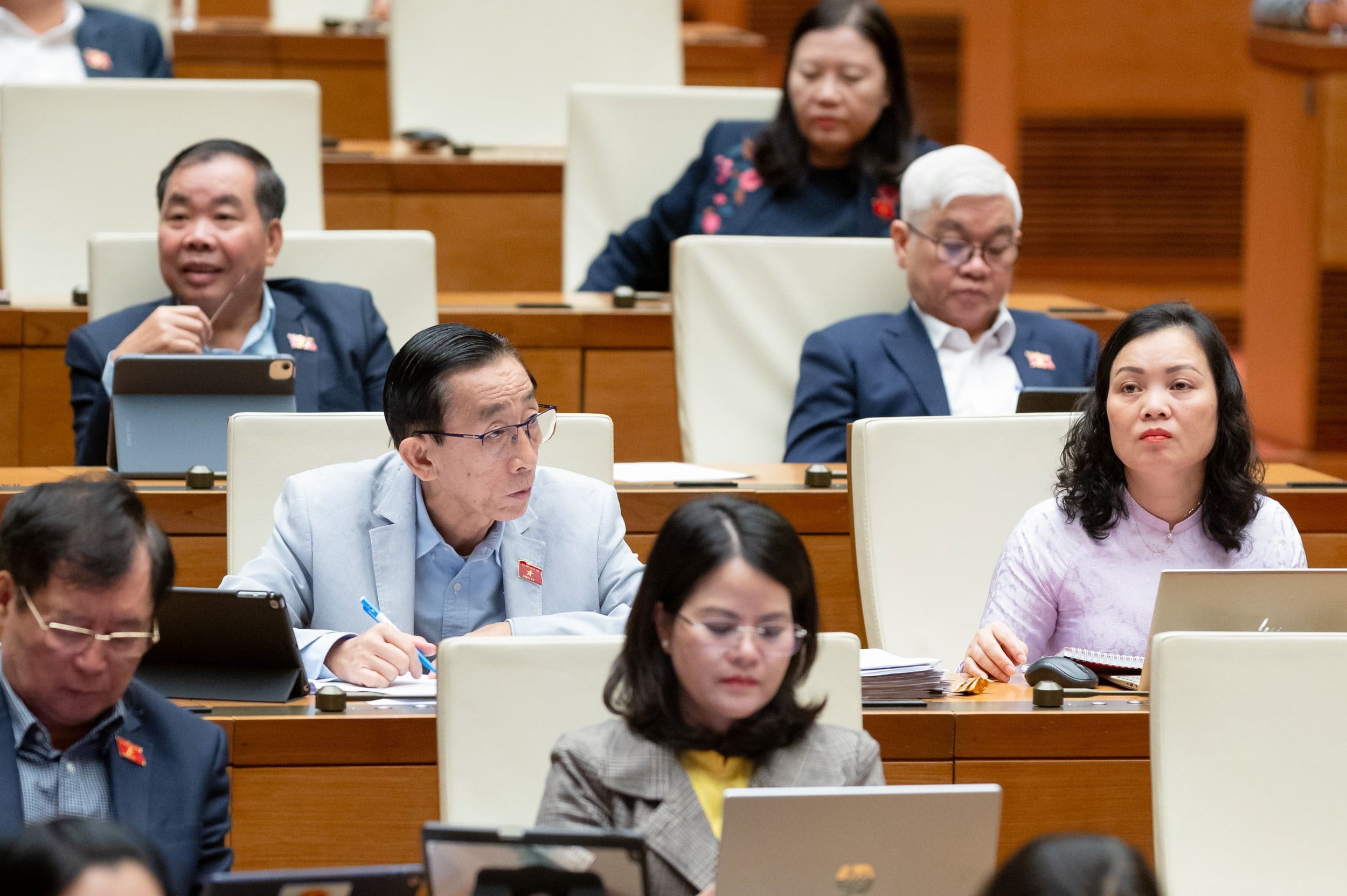
Delegate Hoang Van Cuong also suggested that the draft Resolution does not list but only stipulates principles and criteria and then assigns the City People's Council to decide on the list of projects that need priority to attract strategic investment.
Supplementing the draft Resolution stipulates: in case there is a need for special regulations different from the provisions of current law, the City People's Council can issue a resolution and report to the Government to submit to the National Assembly Standing Committee for consideration and report to the National Assembly at the nearest session.
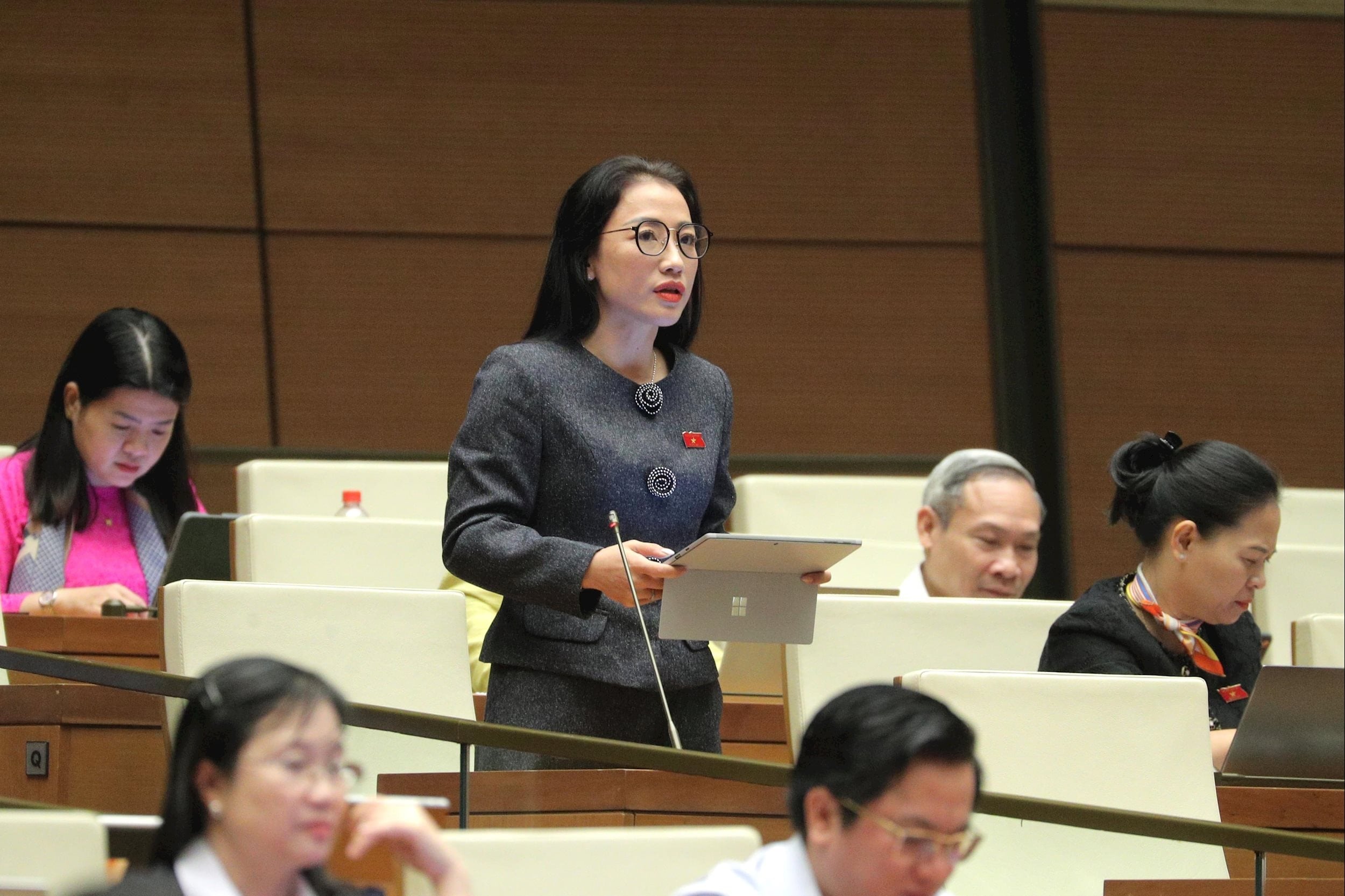
National Assembly Deputy Tran Khanh Thu (Hung Yen) emphasized that the most important thing when amending Resolution 98 is to create a truly attractive mechanism to attract strategic investors, while also properly handling land management and use issues. With that way of posing the issue, Deputy Tran Khanh Thu suggested that the drafting agency continue to review the project portfolios that need to be generalized according to the objectives, nature and issues that need to be solved. Avoid describing each item in too much detail because that will be outdated and limit flexibility, losing the opportunity to attract new models and technologies. Similarly, the minimum capital criteria also need to be reconsidered. "The deciding factor is not the amount of investment but the solutions and technology that the project brings," Deputy Tran Khanh Thu noted.
Increase accountability and supervisory mechanisms from People's Councils at all levels
Agreeing with the issuance of the draft Resolution of the National Assembly amending and supplementing a number of articles of Resolution No. 136/2024/QH15 on the organization of urban government and piloting a number of specific mechanisms and policies for the development of Da Nang City, National Assembly Deputy Duong Khac Mai (Lam Dong) also noted that when issuing the specific mechanism for Da Nang previously, the National Assembly identified this as the leading center of the region, playing a leading role in the socio-economic development of the region and the whole country.
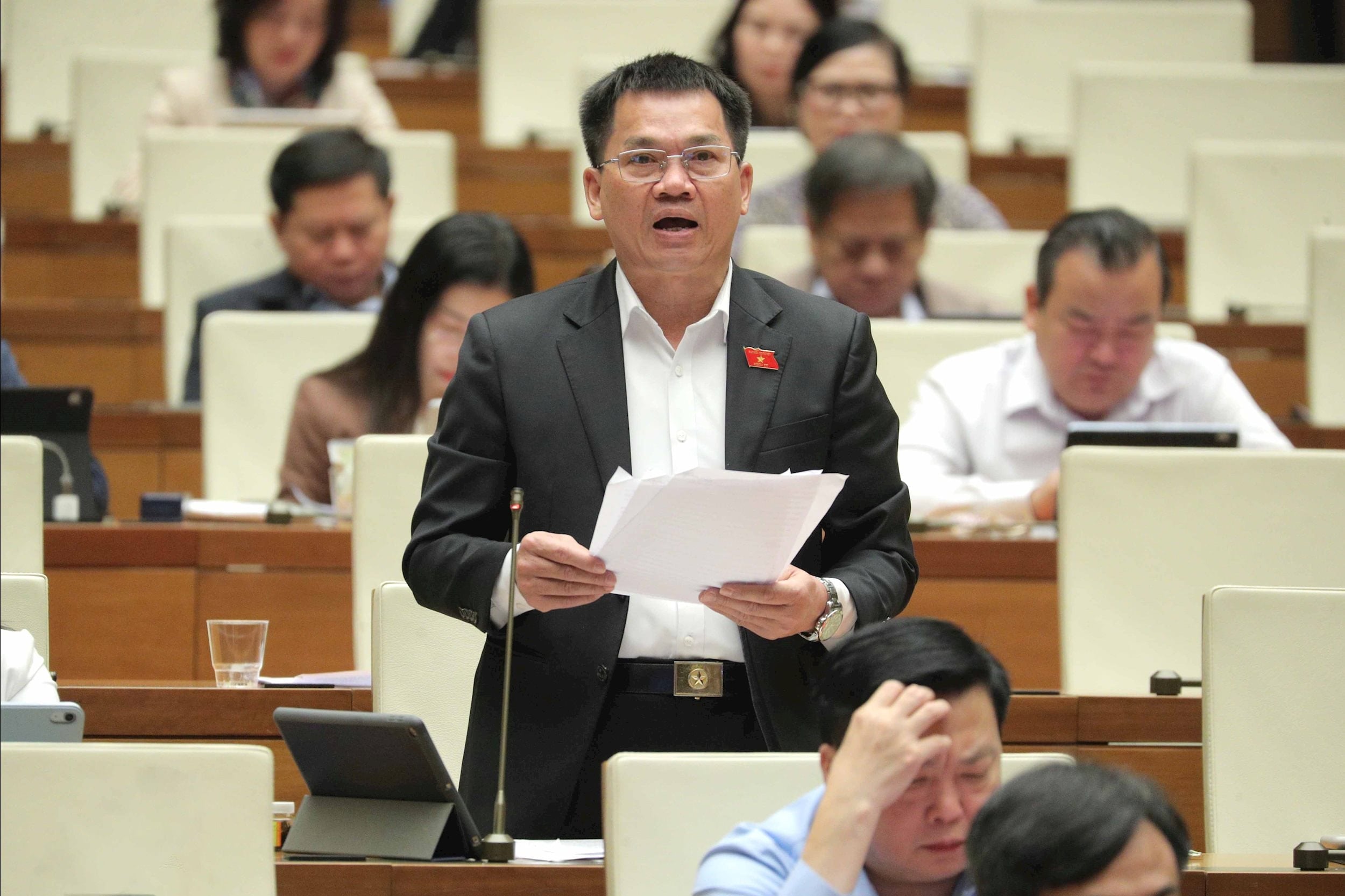
However, some contents of Resolution 136 are currently constrained by the provisions of specialized laws, making "the specificity not strong enough to create a breakthrough". The biggest bottleneck at present is that many contents still have to "ask for the Central Government's opinion", while the goal of the specialized mechanism is to give more autonomy to localities. Therefore, delegates suggested that it is necessary to thoroughly amend the points that are "institutional bottlenecks", and at the same time, it is necessary to clearly identify which contents need to go beyond the current legal provisions, which must be stipulated right in the resolution, instead of continuing to refer to specialized laws.
Regarding the mechanism for urban development oriented towards public transport (TOD) in Clause 5, Article 9 of the draft Resolution, National Assembly Deputy Nguyen Tam Hung (Ho Chi Minh City) supports allowing Da Nang to decide on planning and technical indicators other than national standards in the TOD area, as well as allowing multi-functional development on station and depot land and retaining 100% of TOD revenue to reinvest in urban railways. This is a mechanism in line with international practices, creating momentum to form new growth poles. However, Deputy Nguyen Tam Hung suggested that it is necessary to add accompanying requirements: ensuring adequate technical and social infrastructure and controlling population density, avoiding spontaneous development.
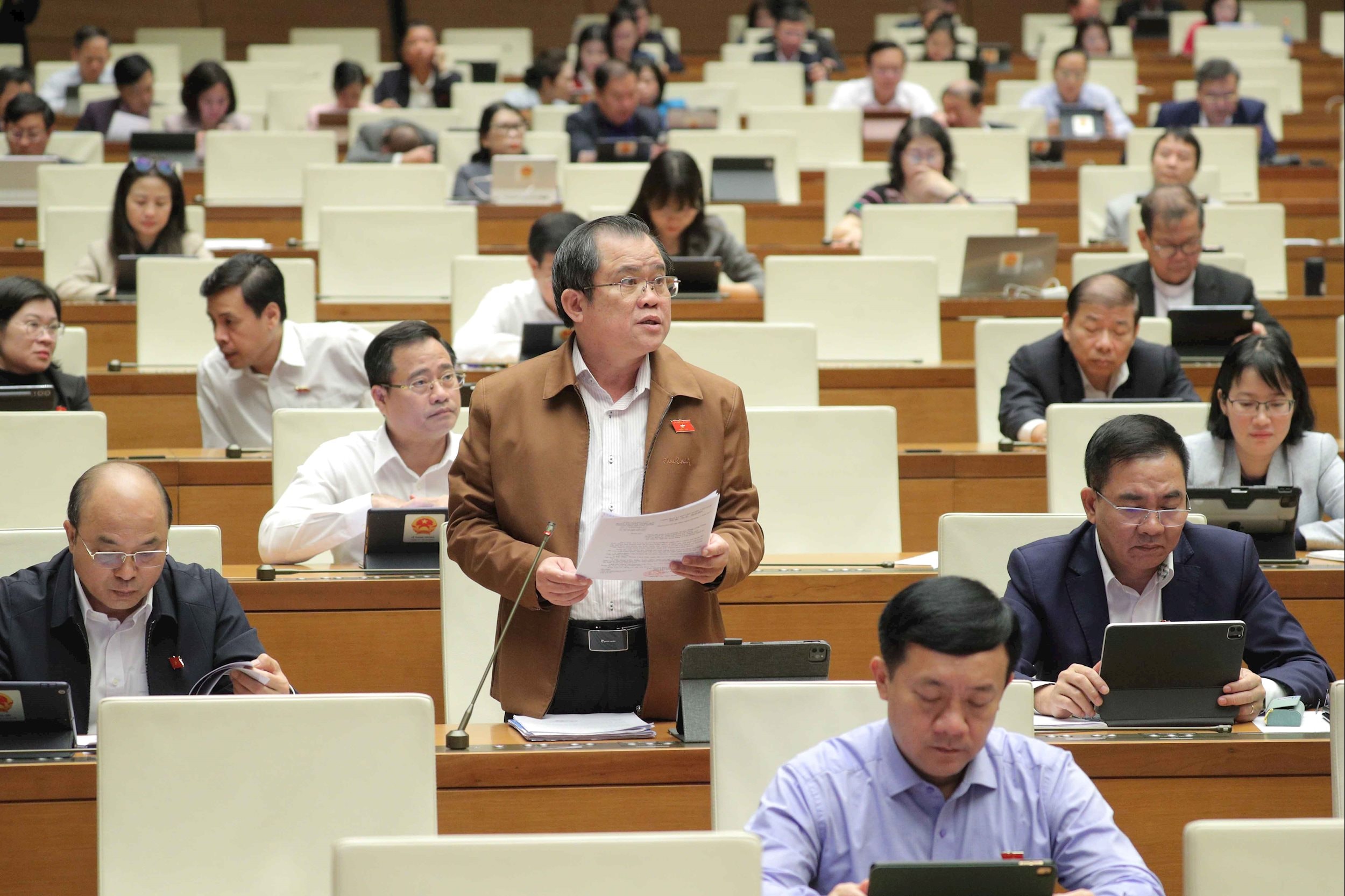
Agreeing with the mechanism that allows simultaneous planning and detailed planning, one-time consultation and allowing investors to participate in planning once selected to shorten planning procedures, delegate Nguyen Tam Hung also emphasized that this is a major reform step, consistent with the 2024 Law on Urban and Rural Planning and the practices of dynamic cities. This mechanism will help Da Nang speed up planning, shorten project preparation time, reduce administrative procedure costs and attract strategic investors.
In addition, delegate Nguyen Tam Hung suggested that it is necessary to make transparent the financial and land mechanisms in local TOD; control the quality of planning according to mandatory criteria, avoid "hot" development; increase accountability and supervision mechanisms from People's Councils at all levels so that the Resolution can be effectively implemented.
Source: https://daibieunhandan.vn/bao-dam-cac-co-che-thuc-su-dac-thu-vuot-troi-va-can-thiet-10399625.html


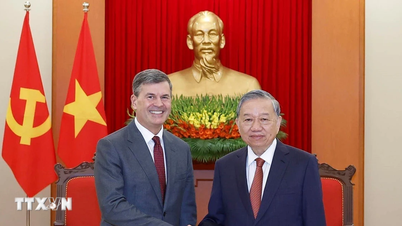
![[Photo] General Secretary To Lam receives the Director of the Academy of Public Administration and National Economy under the President of the Russian Federation](/_next/image?url=https%3A%2F%2Fvphoto.vietnam.vn%2Fthumb%2F1200x675%2Fvietnam%2Fresource%2FIMAGE%2F2025%2F12%2F08%2F1765200203892_a1-bnd-0933-4198-jpg.webp&w=3840&q=75)














































































Comment (0)