

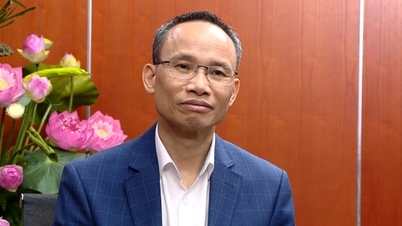
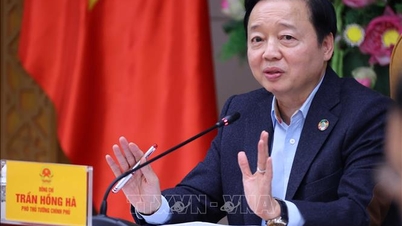
Mr. Tran Thanh Hai, Deputy Director of the Import-Export Department ( Ministry of Industry and Trade ) spoke to the press:
Sir, the import-export target this year is set at over 900 billion USD. So, in your opinion, is this figure achievable?
At this point, our import-export turnover has reached about 820 billion USD. Therefore, we can be confident that by the end of this year, the total import-export turnover will exceed 900 billion USD.
It can be said that this is a record milestone, especially in the context of the year 2025 when the market will have many major fluctuations, including the US's reciprocal tariff policy, supply chain disruptions, impacts from natural disasters, etc. This achievement is of great significance and is the result of the efforts of the business community as well as the strong direction of the Party, the Government and the participation of ministries, branches and localities.
In the context of complex global trade, especially the US market, which is a traditional market of Vietnam, is experiencing many fluctuations. In your opinion, how should Vietnamese enterprises change their export strategies?
The year 2025 is highlighted by the US reciprocal tariff policy, showing the trend of unilateralism and protectionism returning to international trade. However, this is just one of many fluctuations that we have witnessed since 2020 when the COVID-19 pandemic and global political conflicts caused strong shifts in investment and supply chains.
Vietnamese enterprises have been proactively adapting to a certain extent in recent times, but support from state agencies is still very important, especially in terms of orientation and forecasting to help enterprises feel confident and have better business plans. This is always the top priority of management agencies, including the Ministry of Industry and Trade.
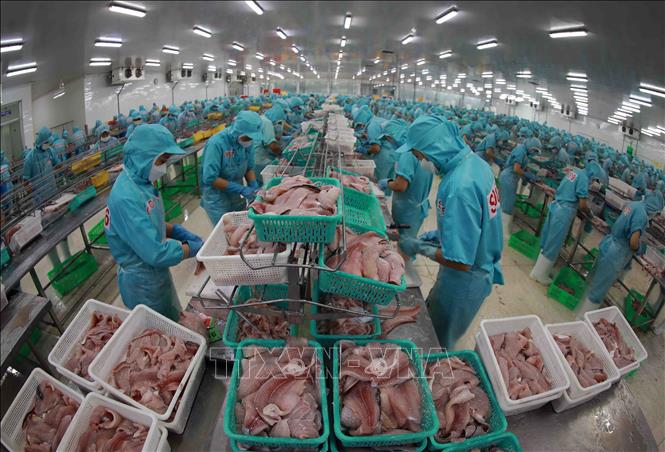
In the fourth quarter of 2025 and early 2026, many key export enterprises such as textiles, garments, and footwear said they faced difficulties. So, in your opinion, what are the biggest difficulties facing Vietnam's exports in 2026?
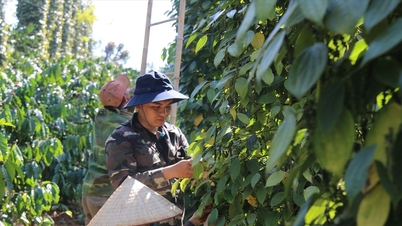
Basically, the world market is currently in the process of recovering after the period of great fluctuations caused by the COVID-19 pandemic. However, the impact of tariff policies, although mainly affecting the US market. However, the US is the largest consumer market in the world and also the largest export market of Vietnam. Any fluctuations in this market will spread to other markets and directly affect Vietnam's key industries such as textiles, footwear, wooden furniture, seafood, electronics, etc. Therefore, preparing adaptation and response plans in 2026 is something that businesses need to pay special attention to.
In terms of long-term strategy, the first thing businesses need to focus on is product quality, ensuring to maintain reputation with customers and creating a foundation to conquer new markets. Along with that is building a brand, because the brand is the fulcrum of trust for both traditional and new customers. Many businesses have paid attention to quality, but the level of investment in the brand is still not commensurate.
In addition, the current requirement is green transformation. The impact level will vary depending on the industry, but from 2026, the EU will implement a carbon tax adjustment mechanism at the border (CBAM) for items such as steel, aluminum, hydrogen, etc. In which, steel is the industry in which Vietnam has a certain export output to the EU. After the EU, many other markets can apply the same. Therefore, adapting to green transformation, reducing emissions, neutralizing carbon and incorporating environmental requirements into the production process is something that businesses must take into account, especially in energy-intensive industries such as steel, aluminum, cement, and construction materials.
Currently, the procedures for granting origin of goods have been decentralized to localities, but many places have not yet implemented them effectively. So in 2026, what additional support will the Ministry of Industry and Trade provide, sir?
According to statistics, up to now, about 26/34 localities have been ready to issue certificates of origin (C/O). This shows the determination of localities, because participating in issuing C/O is an important move to support businesses right on the spot.
On the side of the Import-Export Department, we closely coordinate with localities in training and coaching to improve the capacity of staff, ensuring that they have a firm grasp of regulations on the origin of goods. In 2026, this will still be a key task, aiming at the goal of all localities participating in the issuance of C/O and, more importantly, ensuring that the issuance takes place quickly - effectively - accurately, avoiding cases where businesses are suspected or their C/O is rejected by partners, causing damage.
Vietnam has long faced many limitations: low added value, dependence on outsourcing, weak digital transformation capacity, market capture, and poor utilization of FTAs. In the coming period, how will the Import-Export Department advise on how to improve, especially increase added value for key industries, sir?
This is a story that has been going on for many years and needs more time to be resolved effectively. Increasing the localization rate requires a comprehensive strategy and the participation of many subjects. However, we identify the building of a proactive source of raw materials as an important factor. In the period when we cannot be completely self-sufficient, we need to diversify our supply sources to avoid dependence and at the same time prevent risks of transshipment or origin fraud.
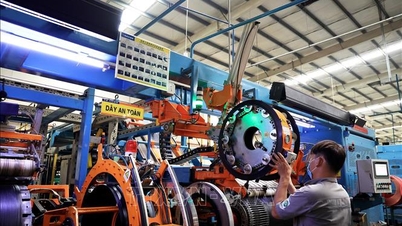
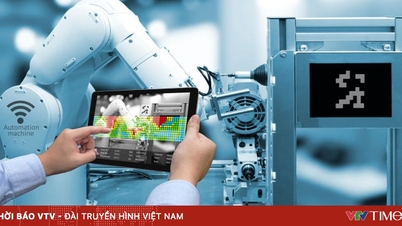
Proactively taking advantage of raw materials must be linked to innovation and mastering technology. There are products that Vietnam is capable of producing, but the price is not competitive, so it cannot be localized. Therefore, applying technology - especially new technology, artificial intelligence - is an inevitable requirement. Any business that does not grasp it will be at a disadvantage compared to competitors who are able to take advantage of technology to break through.
The application of technology in production will depend on each industry. For example, the wood industry can apply AI in design or machine control; the agriculture or textile industry will have different applications. Therefore, we need a force of engineers and technology-savvy personnel to customize according to the characteristics of each industry.
Although Vietnamese goods have been exported to more than 200 markets, the direct presence of Vietnamese enterprises abroad is still very limited. This needs to change. Lessons from FDI enterprises in Vietnam show that direct presence in the market helps them operate effectively and earn large profits. Many Vietnamese enterprises now have capital potential and management capacity, but have not yet boldly entered the international market to explore new customers.
In the context of deep integration, being present and "going out into the world" is a practical requirement for Vietnamese enterprises to expand opportunities and enhance competitiveness.
Thank you very much!
Source: https://baotintuc.vn/kinh-te/kim-ngach-xuat-nhap-khau-lap-ky-luc-moi-tien-sat-nguong-900-ty-usd-20251207152014358.htm


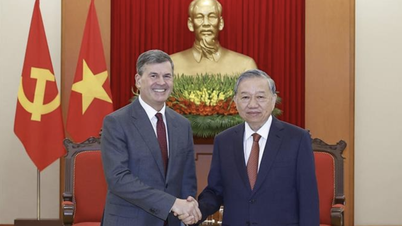
![[Photo] General Secretary To Lam receives the Director of the Academy of Public Administration and National Economy under the President of the Russian Federation](/_next/image?url=https%3A%2F%2Fvphoto.vietnam.vn%2Fthumb%2F1200x675%2Fvietnam%2Fresource%2FIMAGE%2F2025%2F12%2F08%2F1765200203892_a1-bnd-0933-4198-jpg.webp&w=3840&q=75)
















































































Comment (0)