

The leaves of the *Lá nhíp* plant grow year-round, but the best time to enjoy them is from May to July, when the Central Highlands begin its rainy season and the young shoots of the *Lá nhíp* plant sprout, fresh and tender.
Ms. H'Loan Niê (from Ea Tam ward, Buon Ma Thuot city, Dak Lak province) said that the leaves of the *Nhip* plant usually grow at the edge of forests and along streams.
When the rainy season arrives, every time the Ede people go up to the fields and gardens, they often pick nhíp leaves and prepare them into many delicious dishes for their meals.
"When people harvest too many wild spinach leaves for their families to eat, they take them to vegetable markets to sell. That's how wild spinach became known and popular among people in the city."
"But nowadays, wild 'nhíp' leaves are not abundant, so they are considered a specialty vegetable, and you can't always find them at the market," H'Loan shared.
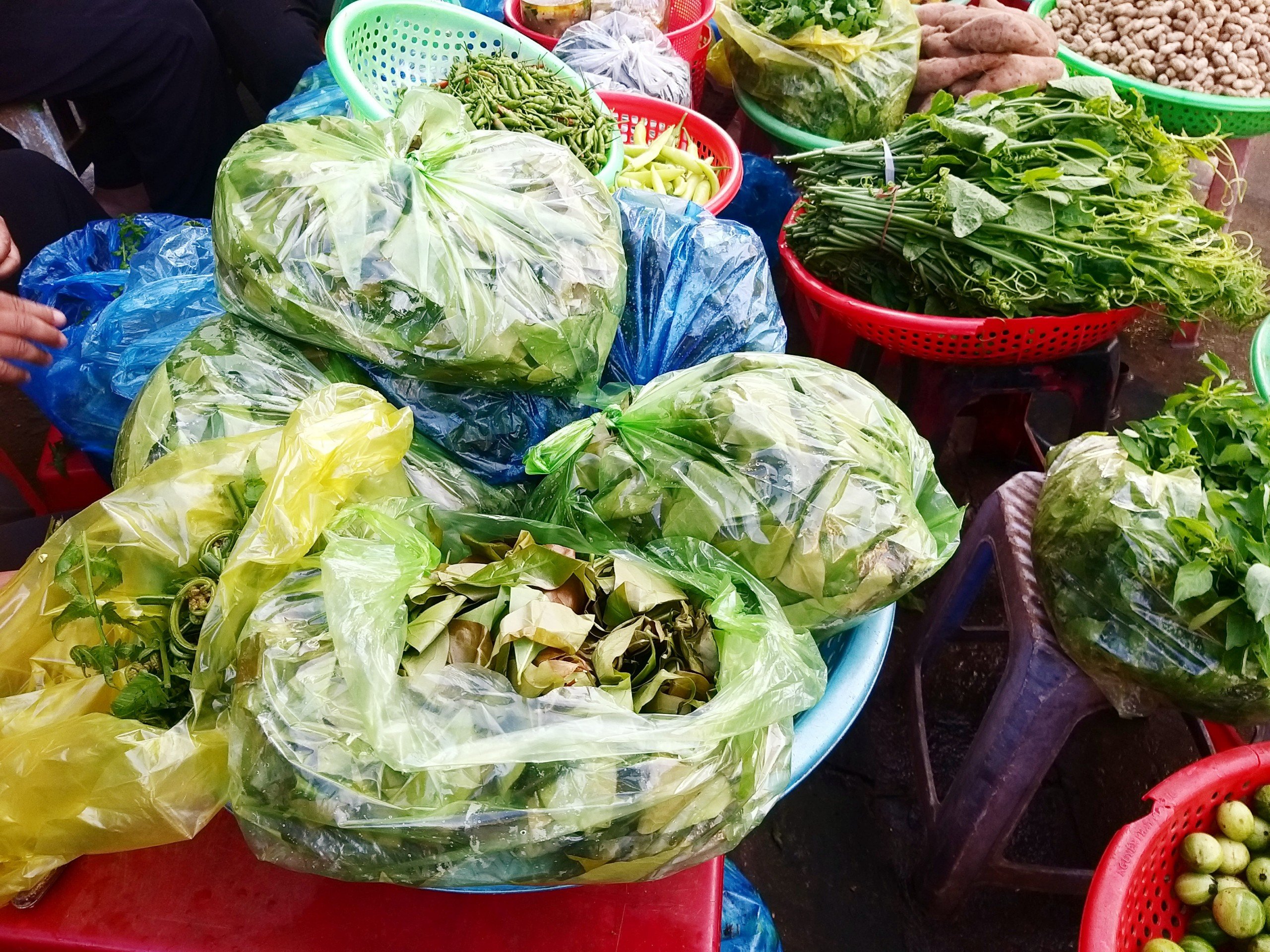
Nhíp leaves – a specialty wild vegetable of the Ede ethnic group in Dak Lak province – are sold at prices ranging from 80,000 to 100,000 VND/kg depending on the time of year.
In Dak Lak, the Ede people often use the leaves of the Nhip plant to prepare stir-fried vegetables and soups with freshwater shrimp and stream fish. When cooked, the Nhip leaves become slightly chewy, with a sweet and nutty flavor, creating a unique taste unlike any other vegetable.
Previously, the leaves of the *Tinospora cordifolia* plant were quite common, but in recent years, wild *Tinospora cordifolia* leaves have become increasingly scarce.
For the Ede people, the "nhip" leaf is a common wild vegetable, but now it has become a specialty, a type of clean vegetable, because the "nhip" leaves grow naturally and are harvested by the locals from the forest.
Ms. H'Trang Byă, the owner of a vegetable stall in Buon Ma Thuot City, Dak Lak province, shared that the leaves of the *Lá Nhíp* plant have now become a specialty vegetable, favored by food connoisseurs.
Many restaurants specializing in Central Highlands cuisine want to buy her vegetables, but the quantity is insufficient; she only has enough to sell retail to local people. She currently sells her "rau nhíp" (a type of leafy vegetable) retail for 80,000-100,000 VND/kg, depending on the time of year.
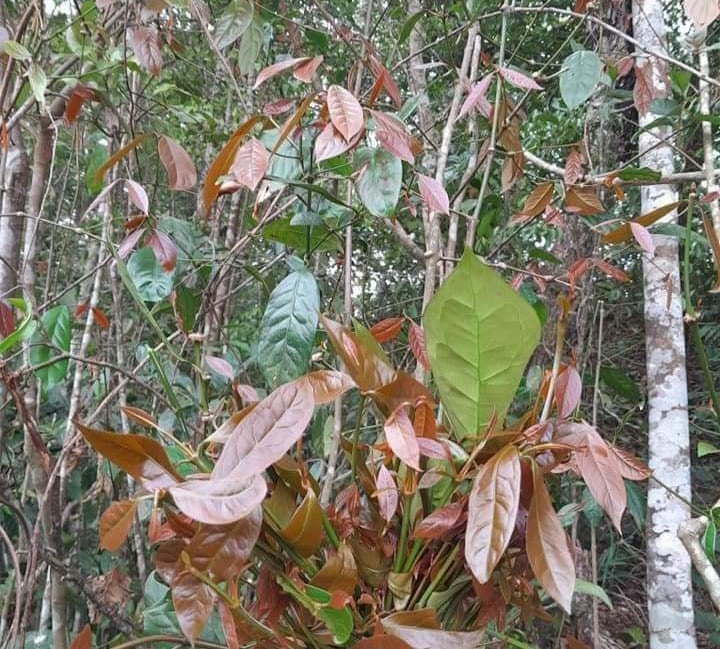
In Dak Lak province, the leaves of the "nhip" plant were once considered a wild vegetable, but now they have become a specialty vegetable favored by many food connoisseurs, and people are actively seeking them out.
Currently, many restaurants and eateries in Buon Ma Thuot City, Dak Lak Province, have incorporated the leaves of the *Lá Nhíp* plant into a variety of dishes. These dishes, combined with other ingredients, include: *Lá Nhíp* soup with canned fish, *Lá Nhíp* stir-fried with beef, *Lá Nhíp* stir-fried with young eggs, and *Lá Nhíp* hot pot, offering diverse and rich culinary experiences.
It's just a simple wild vegetable, but anyone who has had the chance to taste dishes made from its leaves will forever remember the refreshing taste of the mountains and forests.
Besides being a unique dish, the leaves of the *Lá Nhíp* plant are also a medicinal herb beneficial to health, rich in protein, vitamins, and minerals.










































































Comment (0)