

A vivid experience
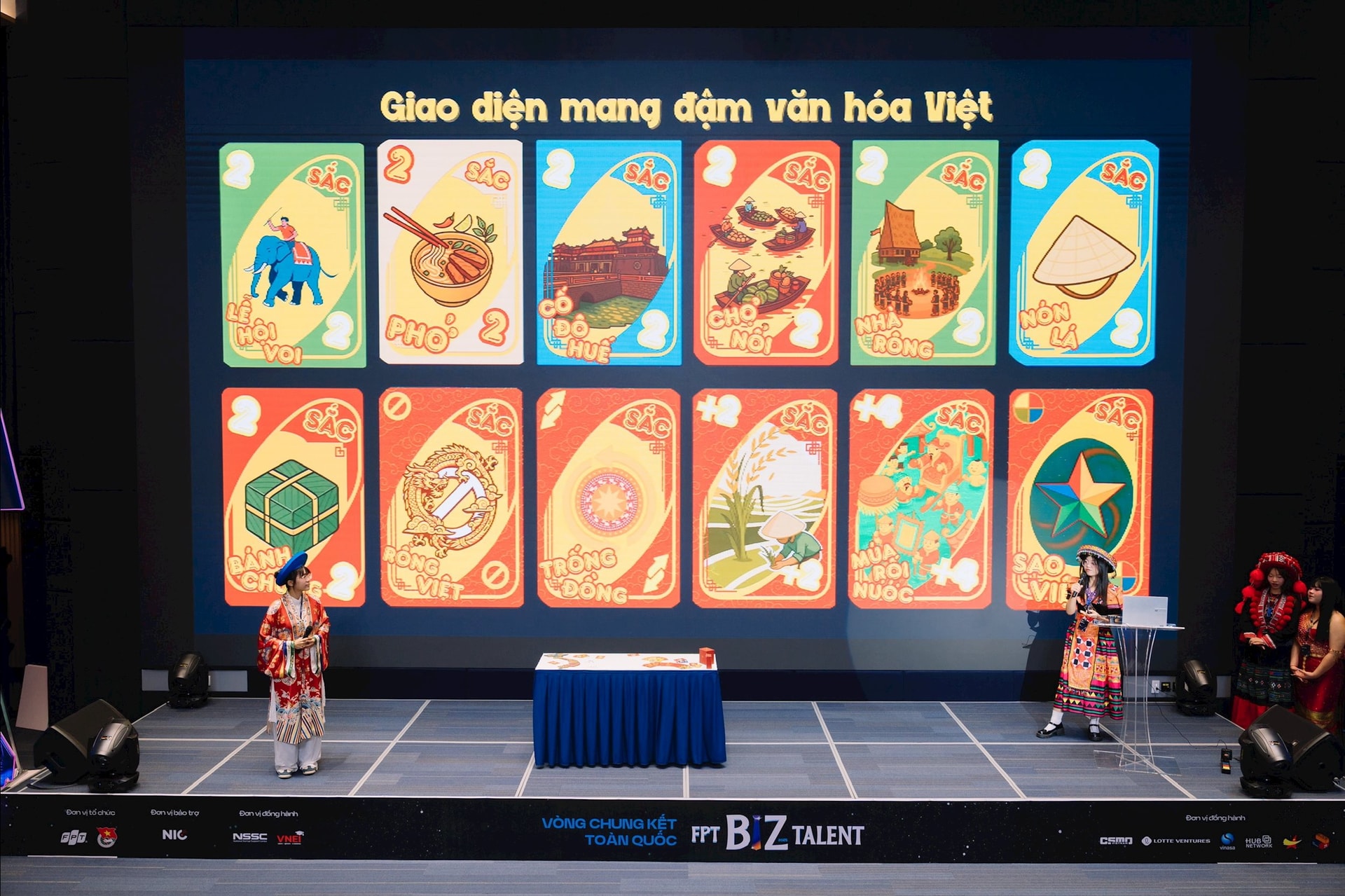
The VietVerse project by the Growink group (FPT High School Da Nang) takes an unconventional approach, using playing cards and educational entertainment to tell a story about culture. More than just a deck of cards with regional symbols and images, VietVerse is developed as a journey of discovery with multiple layers of content.
Players navigate a map of Vietnam's heritage, unlocking questions about festivals, cuisine , and traditional clothing, then role-playing as characters to complete missions. Each card includes a description and illustration, creating a "learning through play" experience with a strong foundation of research-based knowledge.
Le Thi Phuong Chi, co-founder of the project, shared: "We want Vietnamese culture to be more than just in museums or textbooks. Through VietVerse, people can connect with the stories, interact, and debate topics like: where did the sticky rice cake come from? Which festival is associated with which deity? It's not about memorizing, but about living the culture."
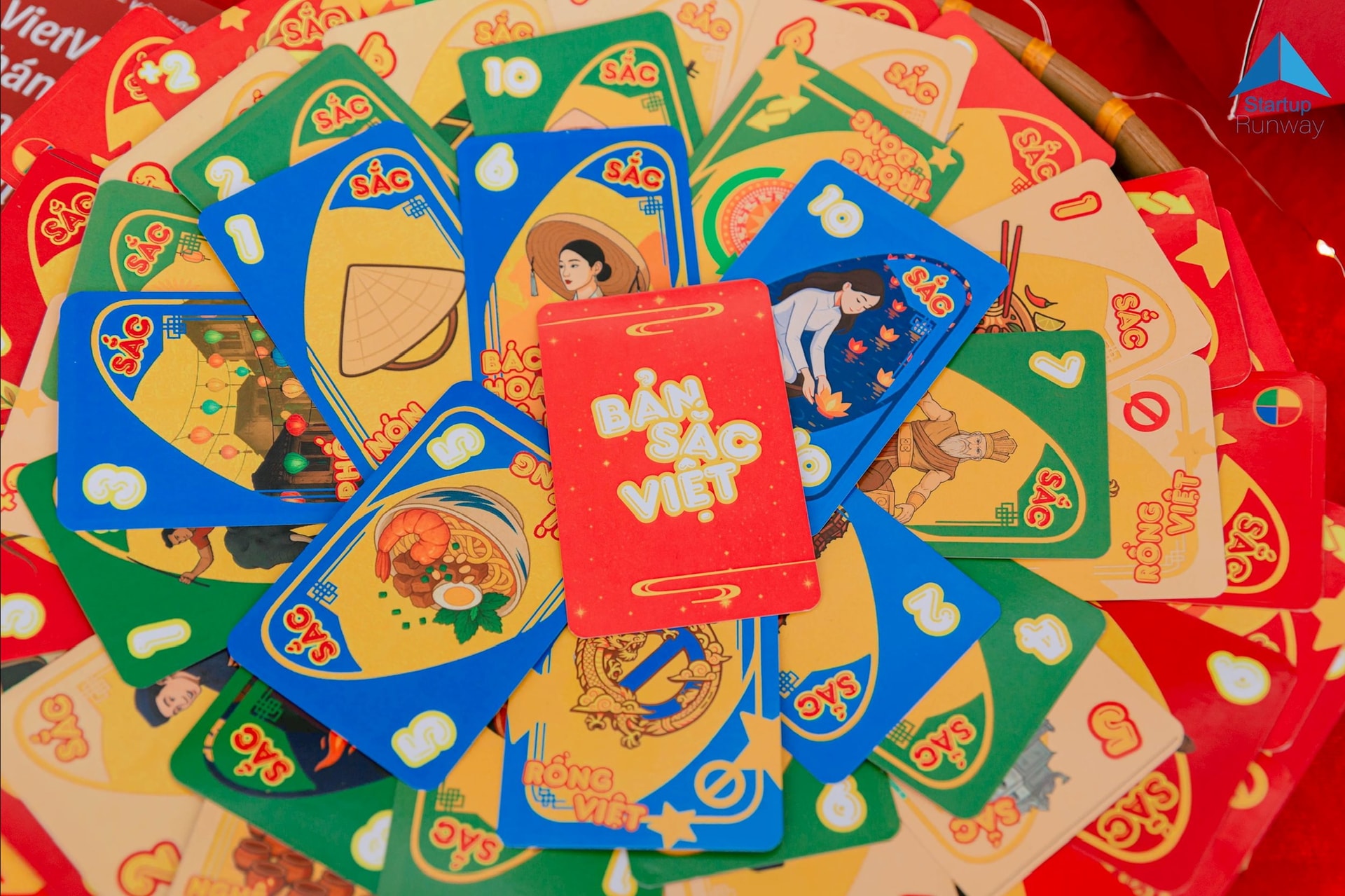
From vibrant playing cards, the group also experimented with supplementary digital applications, regionally-based animated character designs, and content-unlocking games. VietVerse, therefore, went beyond mere entertainment and built an educational entertainment system where heritage comes alive, tailored to Gen Z and Gen Alpha, who are familiar with games, videos, and interactive content.
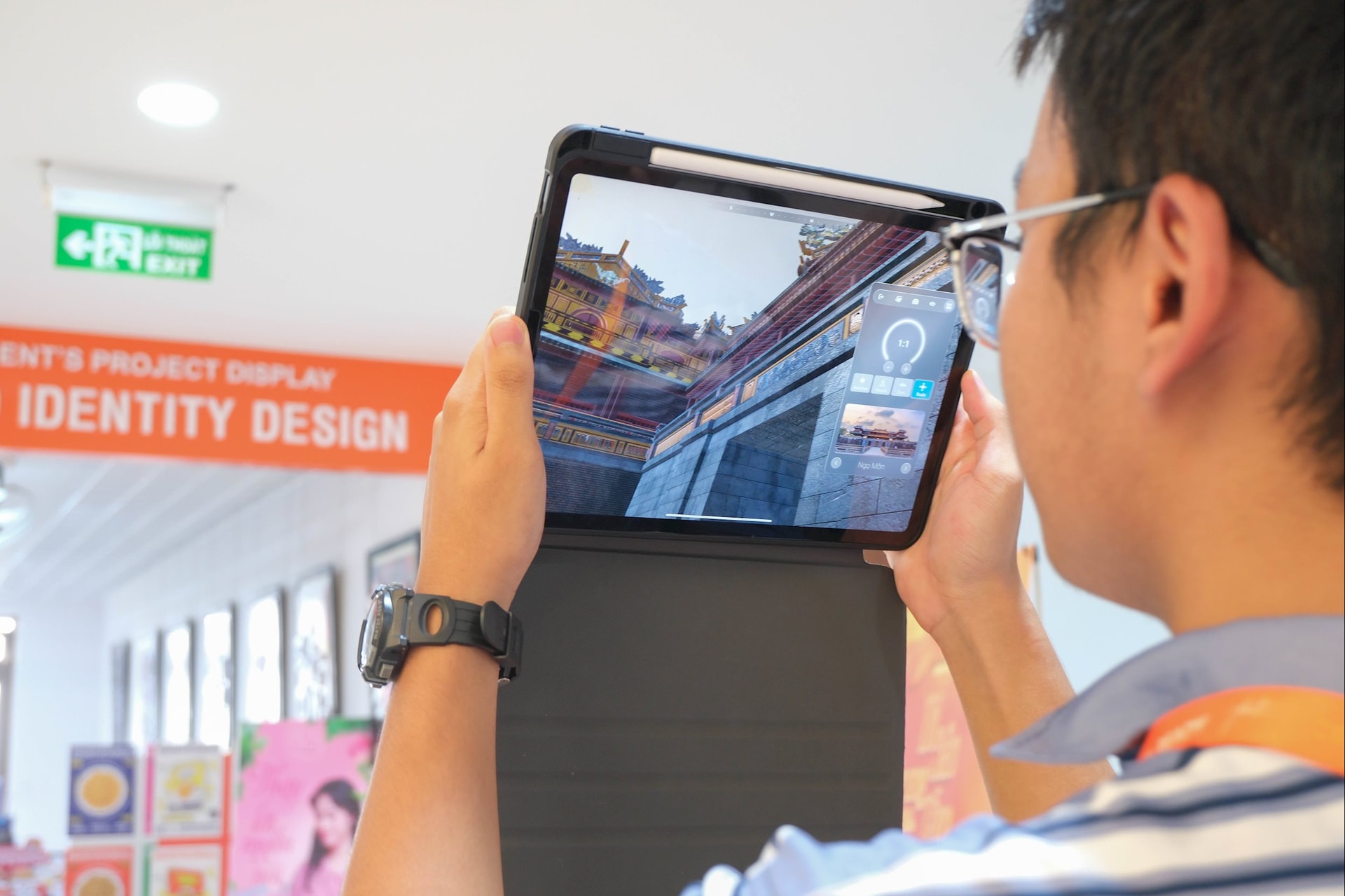
Unlike VietVerse in terms of platform, the Rehistoria project by a group of students from FPT University Da Nang chooses an approach using AR, GPS, and gamification. On the application, each historical site is a "mission point." Visitors go to the actual location, use the camera to scan, and receive a 3D model of the artifacts and figures associated with the historical story.
Each piece collected contains information and facts that lead to the next task. This experience solves the problem of reaching the site but not fully understanding the story.
"We observed that many young people check in at historical sites and then leave. If they only stand and read the information boards, it's hard to remember. With AR, they can see historical figures standing right in front of them, with tasks and interactions. Knowledge is therefore easier to absorb," said Do Phan Minh Quan, co-founder of Rehistoria.
Rehistoria also targets youth tourism, museums, and experiential school tours. The project also aligns with the government's ongoing efforts to digitize heritage. Initially, the team is conducting trials at several historical sites, building image data, 3D models, and narratives along the route to prepare for commercialization.
Spreading cultural values
Instead of games or AR, the Heritage Connection project by a group of students from Dong A University approaches users with illustrative videos.
The team developed a digital documentary channel on history, geography, and culture that closely follows the content of textbooks from elementary to high school. Each video is 3-5 minutes long, filmed at historical sites, features 360-degree images, illustrative effects, and easy-to-understand narration, helping to reduce the problem of learning that is purely theoretical and difficult to visualize.
The project's product aims to serve parents, teachers, and students alike, while also being able to integrate into extracurricular activities. Parents can use it at home as supplementary learning material; teachers can incorporate it into lessons to increase classroom interaction; and students gain a more visual experience instead of just reading text.
Student Tran Thi Thanh Than, co-founder of the project, shared: "Initially, the group just wanted history lessons to be less dry, so we came up with the idea of making the lessons more lively. A video filmed at the Imperial Citadel, the Temple of Literature, or Hoi An Ancient Town helps students see the lesson in color. Small documents and close-up, detailed images will spark curiosity, encouraging them to learn more on their own."
The team has produced several videos that connect reality with the curriculum. In the future, the project will expand its collaboration with libraries, schools, and museums, aiming to build a heritage database and eventually distribute online learning materials to parents and schools.
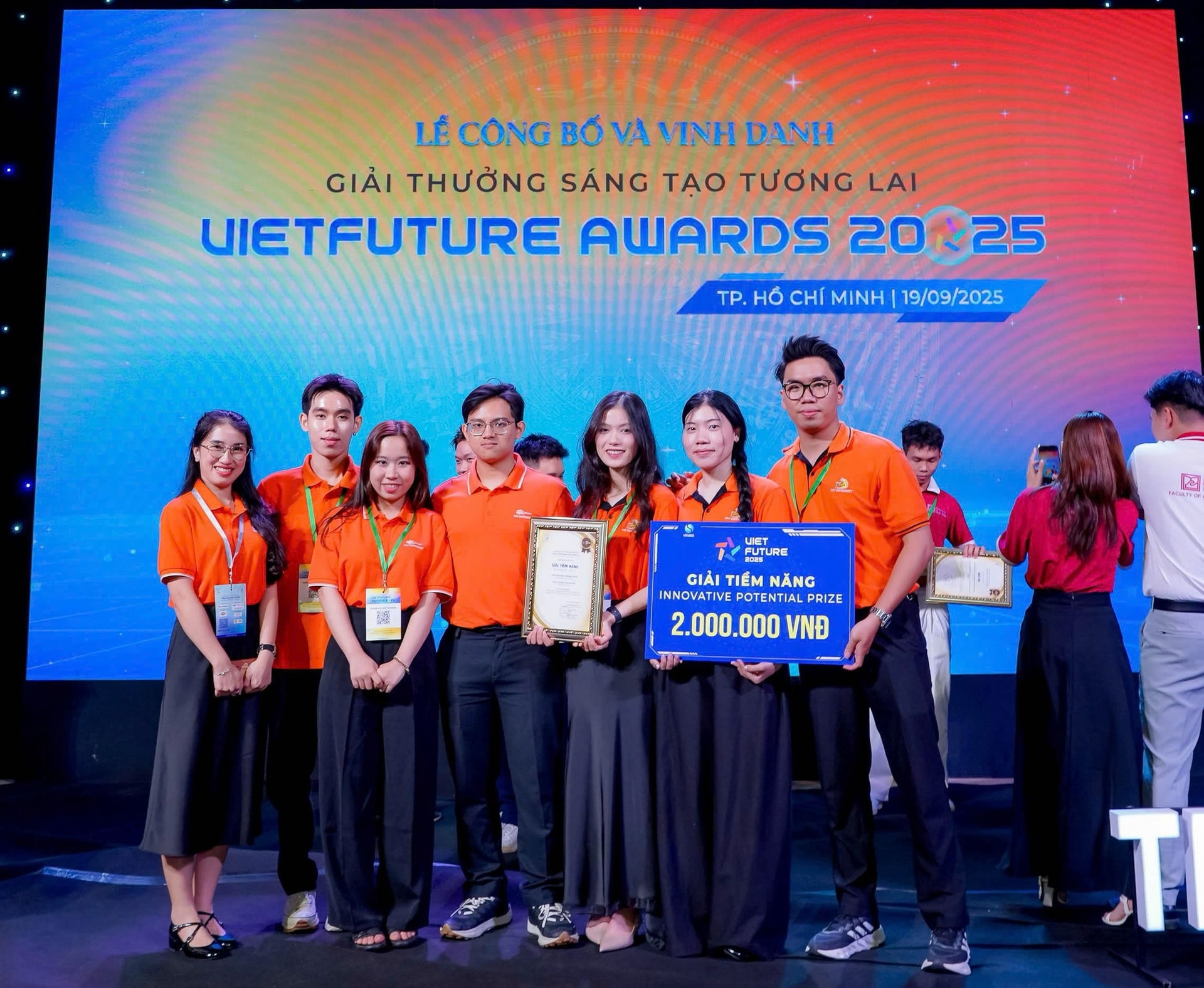
According to Ms. Doan Thi Xuan Trang, Deputy Director of the Da Nang Business Incubator (DNES), these are projects that have been supported by the FINC+ 2025 program in the past. These projects demonstrate the spirit of young people daring to enter the education and culture sector, an area that is difficult to commercially exploit and requires patience in nurturing products.
These projects are all in the pre-incubation stage, but they have sent a promising signal: culture and history can be widely known to young people if the right methods of communication are used. VietVerse transforming knowledge into games, Rehistoria bringing history to the streets using AR, and Connecting Heritage delivering lessons in easy-to-watch videos are the first building blocks for a journey to bring culture beyond the pages of books.
"The common point is that the groups don't approach culture in a theoretical way. They build new learning methods through games, AR, and visuals. DNES and the FINC+ 2025 program will continue to support mentoring, connect with expert advisors, and refine the business model so that the product can go further," Ms. Trang said.
Source: https://baodanang.vn/nguoi-tre-danh-thuc-van-hoa-bang-su-sang-tao-3314559.html


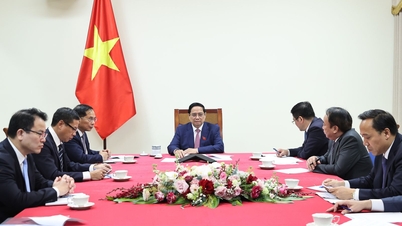
![[Photo] Prime Minister Pham Minh Chinh holds a phone call with the CEO of Russia's Rosatom Corporation.](/_next/image?url=https%3A%2F%2Fvphoto.vietnam.vn%2Fthumb%2F1200x675%2Fvietnam%2Fresource%2FIMAGE%2F2025%2F12%2F11%2F1765464552365_dsc-5295-jpg.webp&w=3840&q=75)

![[Photo] Closing Ceremony of the 10th Session of the 15th National Assembly](/_next/image?url=https%3A%2F%2Fvphoto.vietnam.vn%2Fthumb%2F1200x675%2Fvietnam%2Fresource%2FIMAGE%2F2025%2F12%2F11%2F1765448959967_image-1437-jpg.webp&w=3840&q=75)




































![[OFFICIAL] MISA GROUP ANNOUNCES ITS PIONEERING BRAND POSITIONING IN BUILDING AGENTIC AI FOR BUSINESSES, HOUSEHOLDS, AND THE GOVERNMENT](https://vphoto.vietnam.vn/thumb/402x226/vietnam/resource/IMAGE/2025/12/11/1765444754256_agentic-ai_postfb-scaled.png)









































Comment (0)