

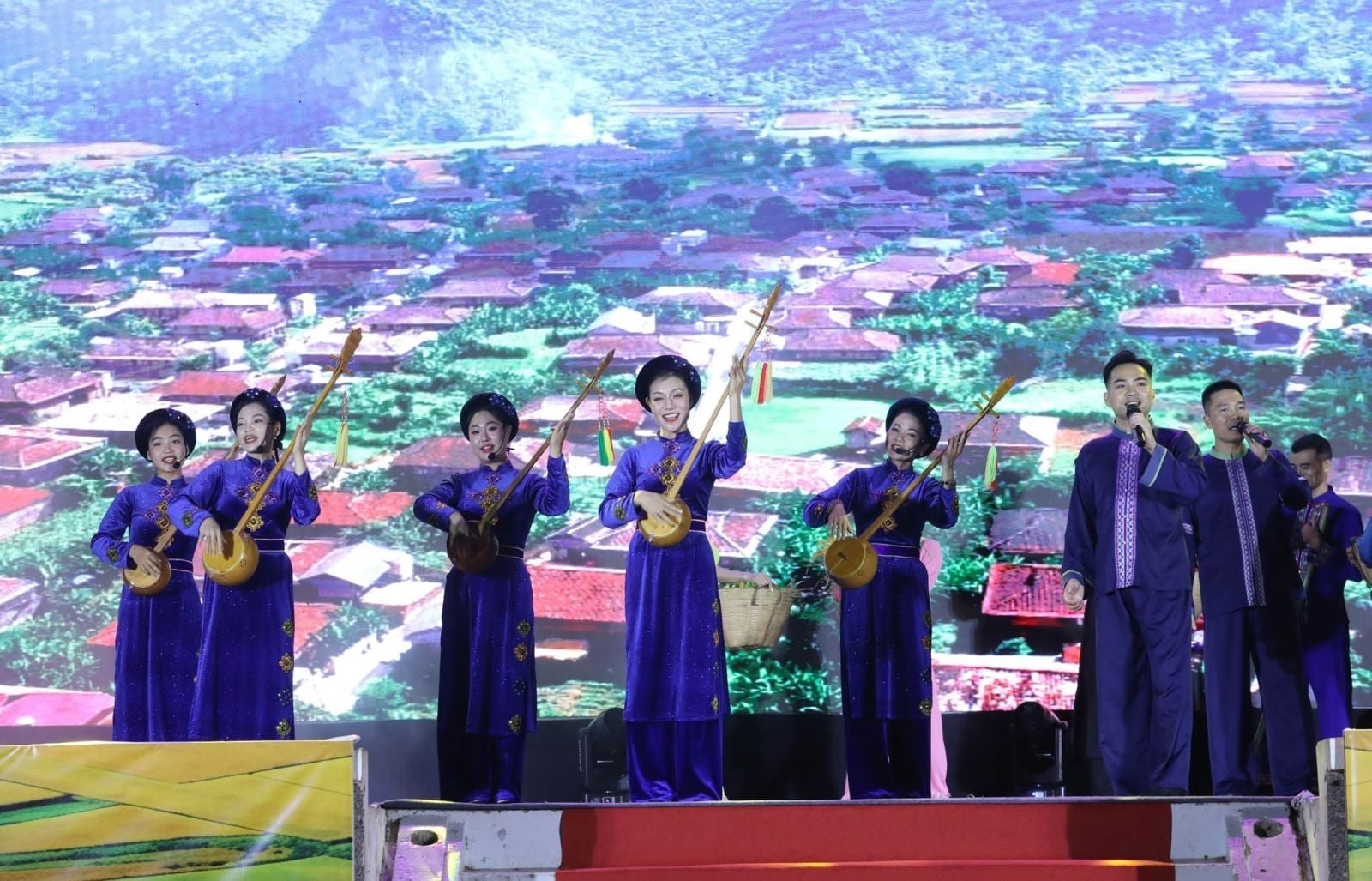
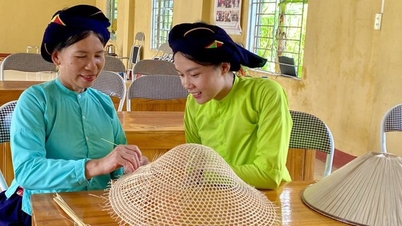
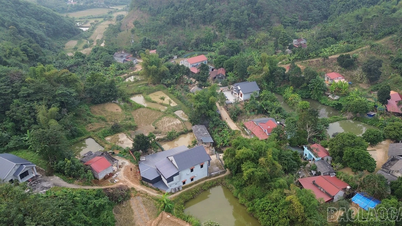
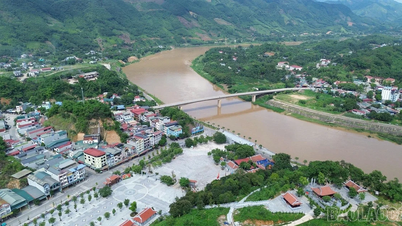
Quynh Son village is located in the middle of the green Bac Son valley, with limestone mountains stretching up and down. This place not only has beautiful wild natural scenery, but is also a living cultural treasure of the Tay people, a place to preserve memories, a "living museum" of Tay culture in the middle of the mountainous region; with the melodious sounds of Tinh zither, the soulful Then singing and the stilt houses with yin-yang tiles that have existed for hundreds of years.
Like Lo Lo Chai village in Tuyen Quang province, Quynh Son village has been officially honored by the United Nations Tourism Organization as “The best tourist village in the world in 2025”. With more than 90% of the population being Tay people, Quynh Son still retains its traditional cultural values: from language, costumes, festivals to housing architecture.
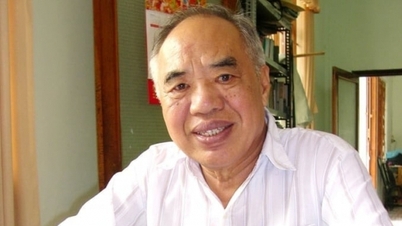
Currently, Quynh Son village has more than 400 stilt houses, most of which still retain the traditional architecture with ironwood frames, yin-yang tiled roofs and shiny wooden floors. All face the same direction to the South, with their backs to the mountains and their faces to the fields. Mr. Duong Dinh Sung, an elder in the village, said: People in Quynh Son believe that the direction of the houses here always receives the early morning sunlight, avoids the wind, brings health, fortune and harmony to the descendants.
Not only a tourist destination, Quynh Son is also a symbol of harmony between people and nature. Visitors to Quynh Son can both enjoy the scenery and experience and immerse themselves in the rustic life: Stay overnight in traditional stilt houses, make corn wine, pound black banh chung, catch stream fish, go down to the fields to plant rice, weave cloth; or sing Then with the locals, dance Sli in the flickering firelight and especially enjoy the highland dishes full of identity.
The whole space is like a peaceful picture, where time seems to slow down so that each person can touch the rhythm of the local culture, a precious asset that the people here have preserved for many years. Through that, one can fully feel the breath of the Northeastern mountains and forests.
Accordingly:
1. All cultural heritages in the territory of Vietnam, originating domestically or from abroad, under any form of ownership, shall be managed, protected and have their values promoted in accordance with the provisions of this Law and other relevant legal provisions.
2. Managing, protecting and promoting the value of cultural heritage is the right, obligation and responsibility of all agencies, organizations, communities and individuals.
3. Vietnam's cultural heritage abroad is protected under international law and according to the provisions of international treaties to which the Socialist Republic of Vietnam is a member.
4. Ensure national and ethnic interests in harmony with the legitimate rights and interests of organizations, communities and individuals; respect cultural diversity, dialogue between communities and ethnic, regional and local characteristics.
5. Prioritize the protection and promotion of cultural heritage values at risk of being lost, historical and cultural relics, scenic spots, cultural heritage of ethnic minority communities, mountainous, border, island areas, very small ethnic minorities and cultural heritages of value to the entire community and society.
6. Ensure maximum preservation of the original elements constituting the relic and the originality of the documentary heritage; the inherent value and form of expression of the intangible cultural heritage.
7. Respect the rights of intangible cultural heritage owners and intangible cultural heritage artisans in deciding on the elements that need to be protected and the form and level of promotion of cultural heritage; identify risks and impacts that threaten the existence and choose solutions to protect cultural heritage.
8. Integrate the protection and promotion of cultural heritage values into national, regional and local socio-economic development strategies, planning and plans.
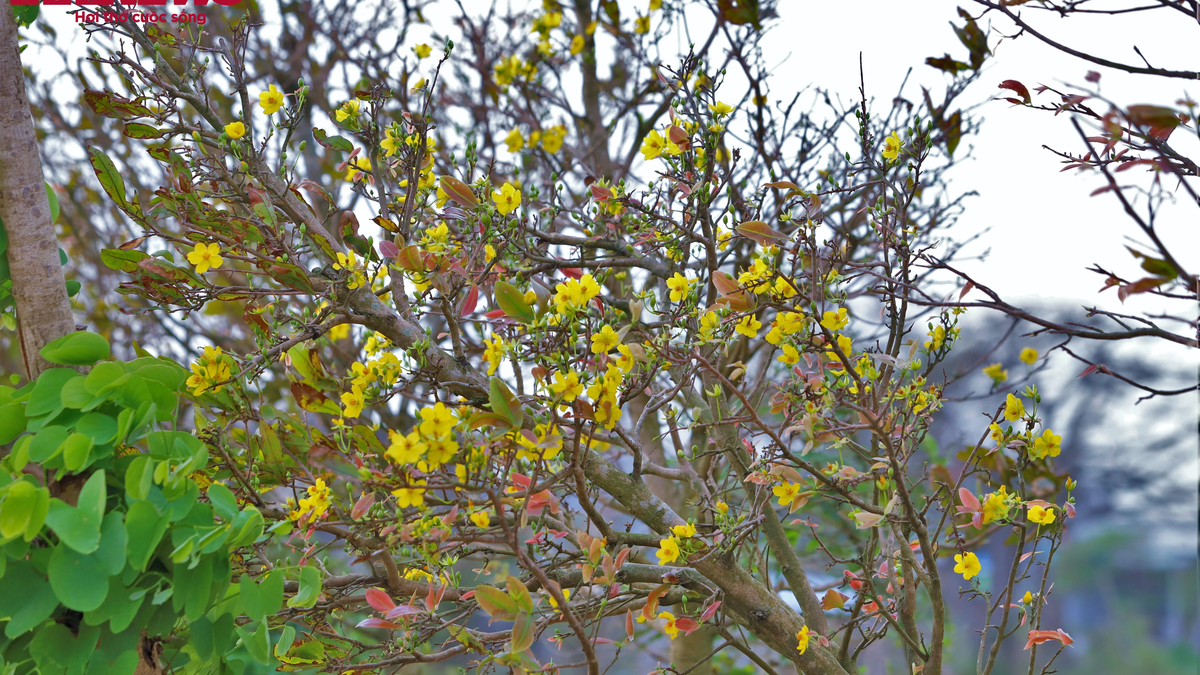
In particular, at the beginning of each spring, the whole village enthusiastically organizes the Long Tong festival - a ceremony to pray for favorable weather and bountiful crops. This is also an occasion for boys and girls in the village to sing Then and Sli songs, and get married amidst the brilliant pink peach blossoms all over the Bac Son hills. There is another special thing in this village, which just hearing it makes visitors curious: "Everyone in the village has the surname Duong, but boys and girls can still get married."
The elders in the village said that, although they all have the surname Duong, but they have different branches such as Duong Dinh, Duong Doan, Duong Cong, they can marry each other. Indeed, this is a unique village, all of them are Duong, but still maintain their own characteristics, harmony in cultural life and customs. The people here are gentle, close-knit, hard-working, still maintaining the traditional lifestyle through many generations. The people also preserve folk knowledge, ancient architecture and the natural environment. Each house, each stream, each festival tells a story about humanity, about attachment, about national pride.
Quynh Son today is not only a place to preserve the traditional culture of the Tay ethnic group, but also a living proof of the sustainable community tourism model. Quynh Son, a green, sustainable destination, where tourists come to see and live slowly, to feel and love more the land and people of the highlands.
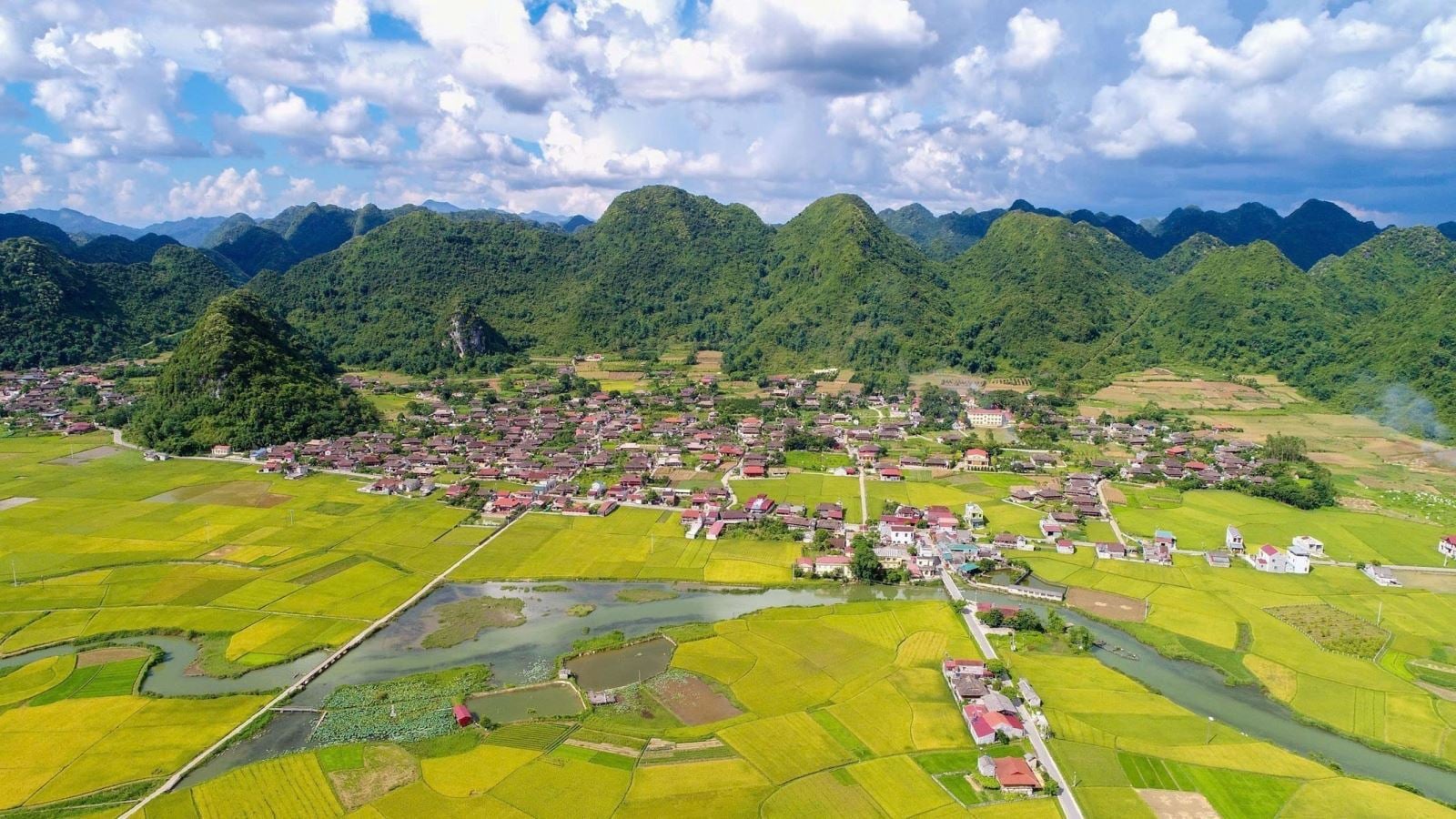
According to Mr. Trieu Quang Huy, National Assembly Delegate of Lang Son province, Quynh Son village is a love song of Lang Son limestone mountain region. Coming to Quynh Son, tourists are always welcomed by the friendly people with sincere smiles, proving that, "Vietnam - the country of villages that tell stories". According to the law on cultural heritage conservation, the title "Best tourist village in the world 2025" is not only a source of pride, but also an affirmation of a sustainable direction - where culture, people and nature shine together.
According to UN Tourism, the title “World’s Best Tourist Village” is a recognition of rural destinations with outstanding achievements in nature conservation, sustainable development and improving community livelihoods.
Surpassing the list of 52 typical global tourist villages, selected from more than 270 profiles of 65 member countries, two representatives from Vietnam, Quynh Son of Lang Son and Lo Lo Chai of Tuyen Quang, have shone like two precious gems, affirming the position of Vietnamese community tourism on the world map. These two small villages have now become symbols of sustainable tourism in Vietnam, contributing to spreading the image of a friendly and hospitable country to international friends.
Notably, the two Vietnamese villages were chosen not only for their beautiful scenery but also for their approach to tourism from the ground up, shining from the culture of the indigenous ethnic communities.
From 2022 to now, Vietnam has had 5 villages honored by UN Tourism, including Thai Hai (Thai Nguyen), Tan Hoa (Quang Tri), Tra Que vegetable village (Da Nang), and two newly named names Lo Lo Chai and Quynh Son. It is a journey that proves that tourism is not just about trips, but also about connecting people to people, between traditional culture and modern breath.
Article ordered by the Department of Legislation, Ministry of Culture, Sports and Tourism.
Source: https://baotintuc.vn/van-hoa/quynh-son-diem-den-du-lich-xanh-giua-long-thung-lung-bac-son-20251206132545017.htm

![[Photo] General Secretary To Lam receives the Director of the Academy of Public Administration and National Economy under the President of the Russian Federation](/_next/image?url=https%3A%2F%2Fvphoto.vietnam.vn%2Fthumb%2F1200x675%2Fvietnam%2Fresource%2FIMAGE%2F2025%2F12%2F08%2F1765200203892_a1-bnd-0933-4198-jpg.webp&w=3840&q=75)

















































































Comment (0)