

The dual challenge of “lack of digital human resources, lack of green human resources”
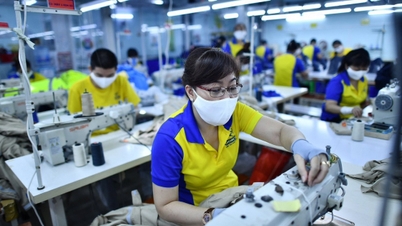
Textile and electronics enterprises are two key export industries of Vietnam that are under pressure of dual transformation: digital transformation to maintain competitiveness and green transformation to meet sustainability standards from global corporations. However, this journey is not simple when electronics enterprises are faced with strict requirements from the international supply chain, while textile and garment enterprises lack capital, technology and flexible mechanisms to access clean energy. The intertwined challenges are making both industries confused, creating an urgent need for more timely and appropriate support solutions.
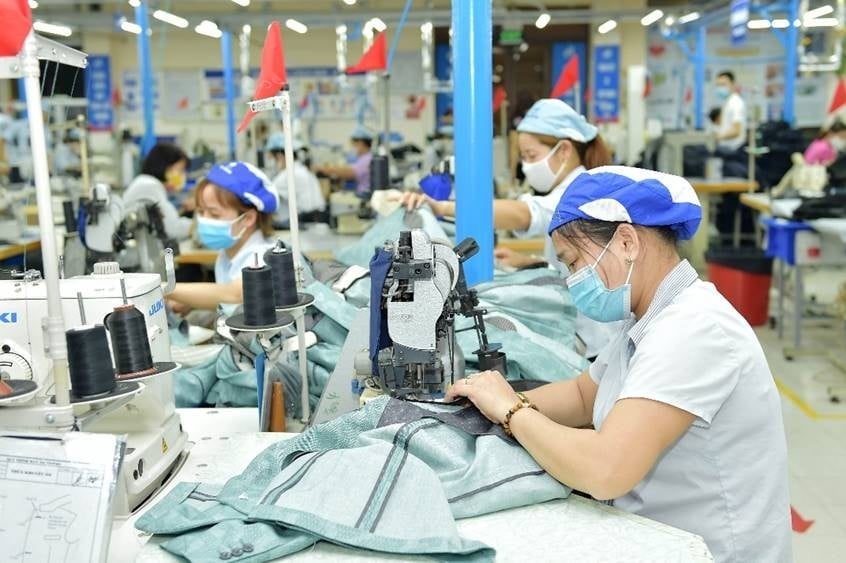
Textile and garment enterprises are under pressure from dual transformation. Photo: Minh Anh.
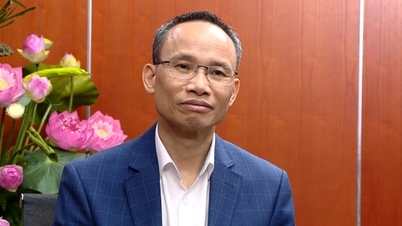
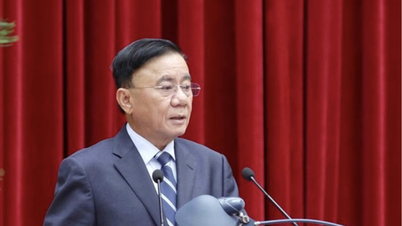
During the process of consulting for businesses, Mr. Nguyen Phu Hien - Director of PM Consulting, commented that the electronics and textile industries both have their own bottlenecks. For electronics businesses, the biggest pressure comes from the requirements of global corporations such as Apple and Samsung. Businesses are forced to meet the criteria for sustainable development and switch to using clean energy. Solutions such as DPPA (direct power purchase agreement), on-site power generation or energy credits are considered feasible but are implemented very slowly due to lack of technical guidance, complicated procedures and insufficient support for businesses.

Mr. Nguyen Phu Hien - Director of PM Consulting commented that the electronics and textile industries both have their own bottlenecks. Photo: Tuan Ngoc.
Meanwhile, textile and garment enterprises - more than 80% of which are small and medium-sized enterprises - face difficulties in capital and technical capacity. Investing in rooftop solar power systems or direct electricity trading requires large resources, while current policy mechanisms do not create enough room for flexible options such as purchasing renewable energy credits or trading electricity through industrial parks.
Although the Government has recently taken positive steps to listen to business opinions and develop new policies, implementation remains complicated. Many businesses say they do not know where to start and do not have a clear process for recognition of energy-saving solutions or technological innovation.
Towards a green - digital future: What do businesses need?
From this practice, Mr. Nguyen Phu Hien proposed three key groups of solutions that can be implemented immediately and bring practical results for electronics and textile enterprises to transform green and digitally.
Firstly, it is necessary to enhance the role of industrial parks in green transformation and digital transformation. Vietnam currently has 34 provinces with key industrial parks. Each province should select 2-3 pioneering industrial parks to pilot green transformation and digital transformation models. These industrial parks need to have data visualization, directly connected to the Provincial People's Committee and become a component index in the Provincial Competitiveness Index (PCI). When operational data is digitized and updated in real time, the government can monitor effectively, businesses can access policies faster and the entire industrial park ecosystem will move synchronously.
Second, clean energy mechanisms need to be expanded and more strongly promoted. Following the Power Development Plan VIII and policies related to rooftop solar power and direct power trading, Vietnam needs a central coordination mechanism to help businesses access clean energy more easily, reducing paperwork and connection costs. Demand for renewable energy is growing strongly from export markets, but if businesses are hindered by complex processes, they will have little motivation to switch.
Third, it is necessary to accelerate the formation and operation of a carbon credit trading platform. For many years, businesses have had high expectations for this tool to transparently measure emissions and participate in the carbon market. However, with 98% of Vietnamese businesses being small and medium-sized enterprises, most of them do not have a technical team or tools to inventory emissions. Therefore, the Government needs to develop a simplified process, provide a suitable roadmap for each group of businesses and develop shared services in industrial zones to support emission measurement, verification and reporting. When the carbon trading platform operates effectively, Vietnam can promote the entire private sector to participate in emission reduction and create a transparent market for export industries.
From a long-term perspective, to achieve the goals of digital economy and sustainable development, Vietnam needs a workforce with digital mindset, green skills and the ability to adapt quickly. Technology and investment capital are only necessary conditions; the decisive factor still lies in people. Enterprises need to be more proactive in retraining, advanced training, and cooperation with vocational schools, universities and innovation centers to build a high-quality workforce. Conversely, workers need to clearly realize that digital and green skills are no longer an option, but a mandatory requirement if they want to keep their jobs and develop their careers in the future.
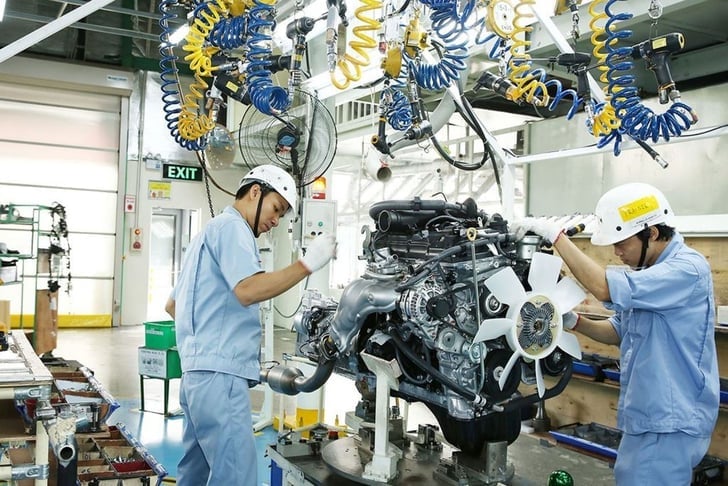
Workers will be the “key” to help Vietnam move quickly and steadily on the path to achieving the dual goals. Photo: Minh Anh.
In particular, the synchronous coordination between the State - enterprises - training institutions - workers will be the "key" to help Vietnam move quickly and steadily on the path to achieving the dual goals by 2030 and 2050. Only when the problem of human resources is solved, green transformation and digital transformation will truly go into depth, creating momentum for sustainable growth and enhancing national competitiveness.
Source: https://nongnghiepmoitruong.vn/hai-nganh-ty-do-gap-kho-truoc-ap-luc-xanh-hoa-va-so-hoa-d788258.html


![[Photo] General Secretary To Lam receives the Director of the Academy of Public Administration and National Economy under the President of the Russian Federation](/_next/image?url=https%3A%2F%2Fvphoto.vietnam.vn%2Fthumb%2F1200x675%2Fvietnam%2Fresource%2FIMAGE%2F2025%2F12%2F08%2F1765200203892_a1-bnd-0933-4198-jpg.webp&w=3840&q=75)























































































Comment (0)