

According to the Department of Education and Training of Thai Nguyen province, Project 5 has made a clear change in improving the quality of education and developing human resources in ethnic minority areas of the province. With over 57.8 billion VND allocated in 2025, the Department has promptly assigned tasks to schools and centers, implemented equipment purchases, and renovated facilities, thereby helping students in disadvantaged areas have better learning and living conditions, reducing dropout rates and improving the quality of comprehensive education.
Along with that, short-term vocational training has been effectively implemented, focusing on local strengths such as livestock, cultivation, tea, medicinal herbs, etc., helping workers apply new techniques, expand production, increase income and develop family economy . Many economic models and agricultural cooperatives meeting VietGAP and OCOP standards have been formed and developed sustainably.
Activities supporting sending ethnic minority workers to work abroad under contracts have also brought positive results, contributing to creating stable jobs, improving lives and increasing resources for local economic development.
In addition to the above positive results, the implementation of Project 5 in Thai Nguyen province in 2025 still faces many difficulties and problems.
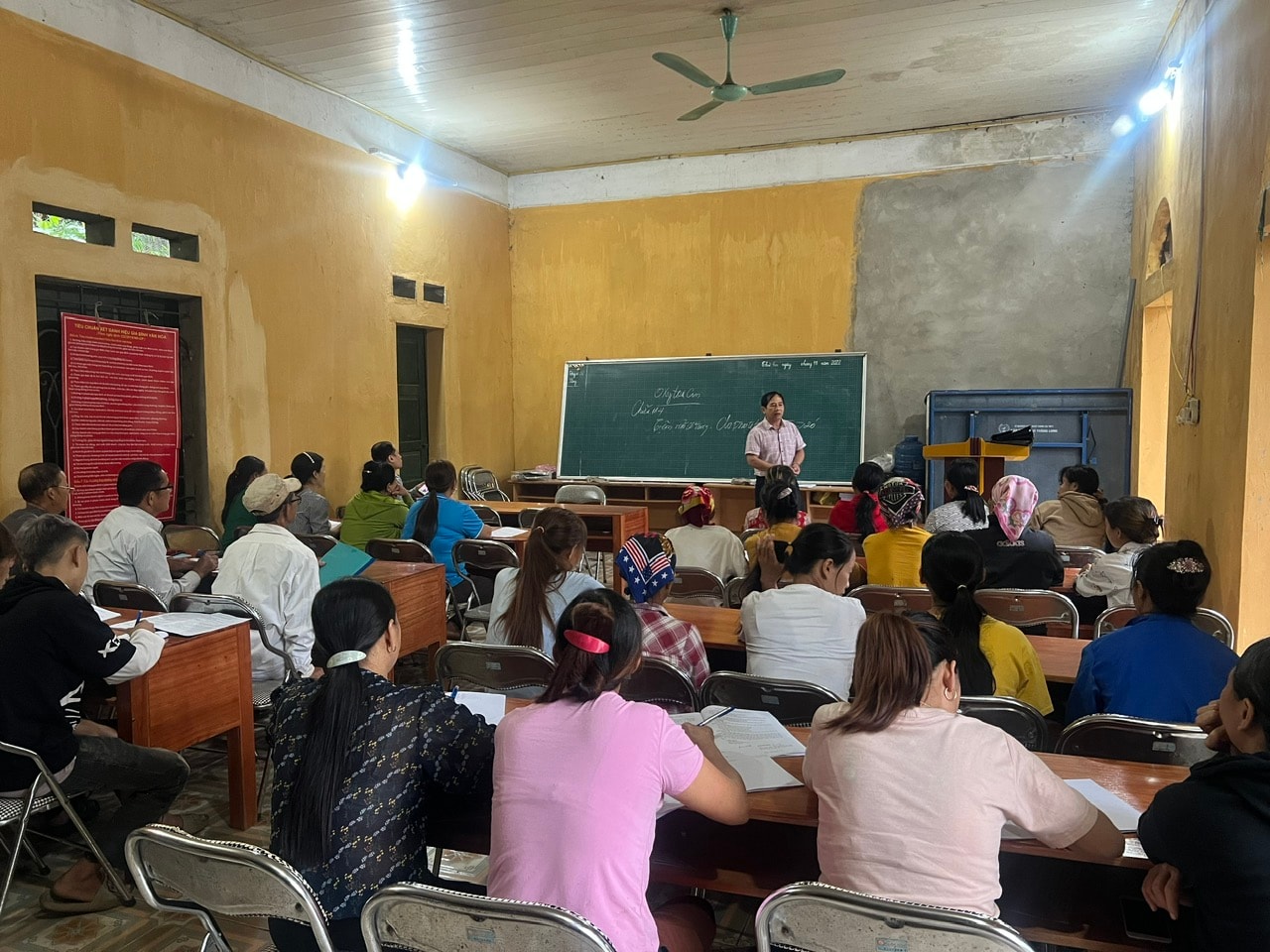
In particular, the investment capital for construction, renovation, repair of facilities, and purchase of teaching equipment for schools in the province has not met the actual needs. Therefore, in some educational institutions, there is a lack of classrooms and functional rooms, and the equipment and toys for preschool education are not uniform; teaching equipment for general education education, due to being provided many years ago, is often damaged and incomplete, while the purchase and supplementation is still limited and slow in progress...
Funding for university and postgraduate training is allocated to the Department of Education and Training at a large level, however, the disbursement progress is slow due to the continuous adjustment and supplementation of guiding documents; the system of related legal regulations is not unified and lacks specific implementation instructions, causing the allocated funding source to not be fully disbursed.
Regarding the implementation of Sub-project 3 under Project 5 "Project on developing vocational education and creating jobs for workers in ethnic minority and mountainous areas", after merging communes and provinces, the funding source was not allocated to units and localities in a timely manner (September 2025), so the detailed allocation of capital to implement the contents of Sub-project 3 and Project 5 encountered difficulties and was behind schedule.
Currently, communes and training establishments are implementing vocational training courses for workers, but the actual number of trainees is lower than the initial review demand. The main reason is that two national target programs (sustainable poverty reduction and socio-economic development in ethnic minority and mountainous areas) are implemented at the same time in the same locality, leading to overlap and duplicate beneficiaries. In addition, at the end of the year, many workers work seasonally and are absent from the locality, making it difficult to mobilize them to participate in training.
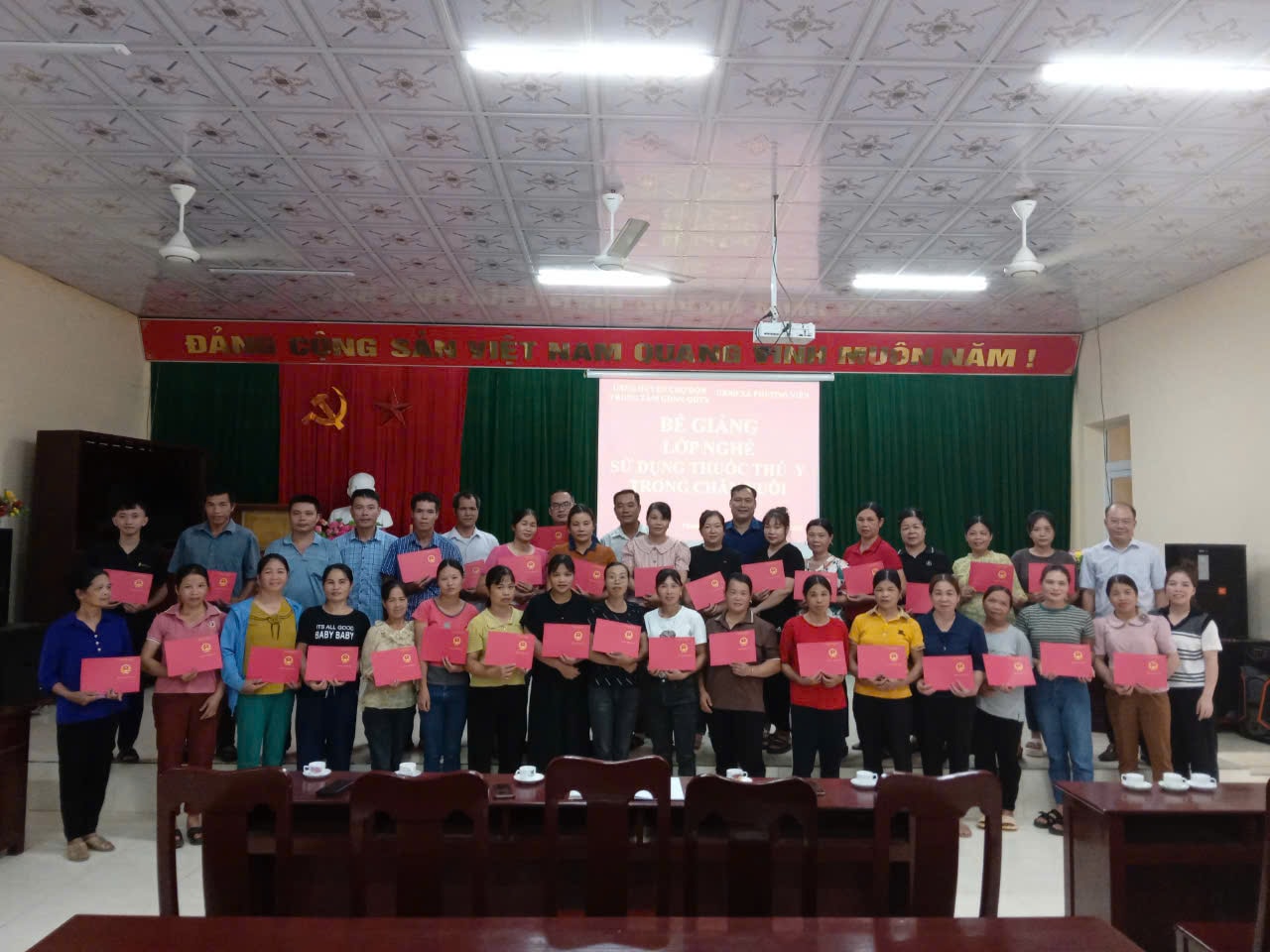
For training units, due to lack of facilities and teachers, the units are not able to organize the number of classes according to the budget at the beginning of the year, leading to not using up all the allocated funds and having to request adjustments and return. From now until the end of 2025, each unit can only open 2-4 classes, much lower than the original plan of 10-15 classes.
In particular, the implementation of undergraduate and postgraduate training still faces many difficulties in determining the needs and targets for each industry and major in accordance with the requirements of the province. The number of students who are beneficiaries of the policy is quite large, scattered across many different training facilities and types (public, private, non-public), making management and monitoring work face many challenges.
In addition, current guidelines do not clearly stipulate binding responsibilities for beneficiaries, such as: no sanctions for cases of not completing the study program due to poor academic performance or being disciplined; lack of regulations on the obligation to reimburse supported funds; and no mechanism to commit students to return to serve in the locality after graduation.
In addition, according to current regulations on the mechanism of collecting and managing tuition fees, tuition fees between majors/specializations and between training institutions (universities, academies) have large differences, depending on the economic and technical standards and the level of financial autonomy of each school. Private and non-public institutions often have much higher tuition fees than public schools. If students who are eligible to study at schools with high tuition fees register for support, the allocated funding will be difficult to meet.
Budgeting based on industry/specialization needs and targets is also difficult due to different tuition fees between schools, even though they train in the same field. Specific costs are only determined when signing an order contract, so it is impossible to establish accurate training targets from the beginning.
Coordinating with schools to agree on ordering contracts takes a lot of time, while travel expenses for staff are not included in the budget of the National Target Program but must be used from the regular expenditure source of the Department of Education and Training, causing more difficulties for the implementation process.
The above difficulties and problems show that, although the implementation of Project 5 in Thai Nguyen has achieved many positive results, it still needs timely adjustments in mechanisms, policies and resources to ensure consistency and synchronization in implementation. The early removal of bottlenecks in guiding documents, funding allocation, training organization and beneficiary binding mechanisms will create conditions for Project 5 to continue to be effective, contributing to improving the quality of human resources in ethnic minority areas, promoting sustainable socio-economic development in the province in the coming years.
Source: https://daibieunhandan.vn/thai-nguyen-khac-phuc-kho-khan-de-thuc-hien-tot-vic-nang-cao-chat-luong-nguon-nhan-luc-10399664.html


![[Photo] General Secretary To Lam receives the Director of the Academy of Public Administration and National Economy under the President of the Russian Federation](/_next/image?url=https%3A%2F%2Fvphoto.vietnam.vn%2Fthumb%2F1200x675%2Fvietnam%2Fresource%2FIMAGE%2F2025%2F12%2F08%2F1765200203892_a1-bnd-0933-4198-jpg.webp&w=3840&q=75)



















































































Comment (0)