

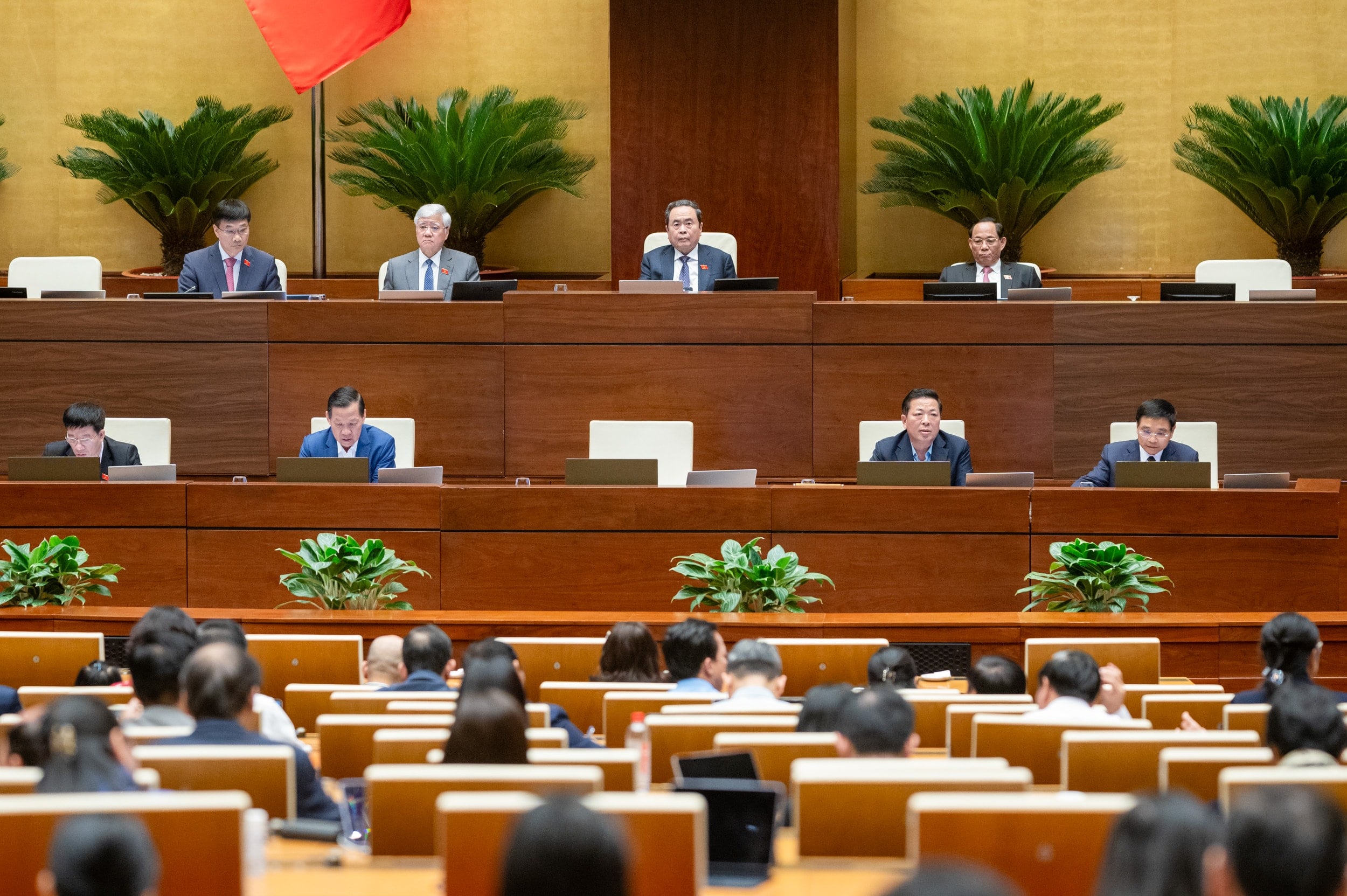
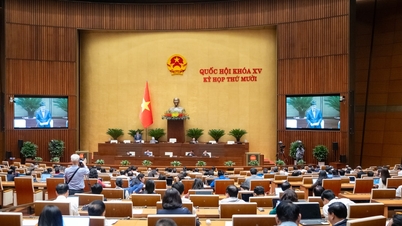
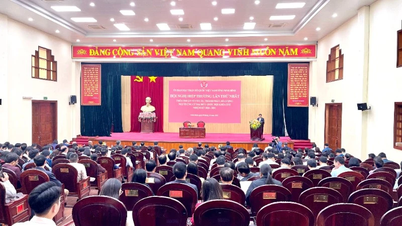
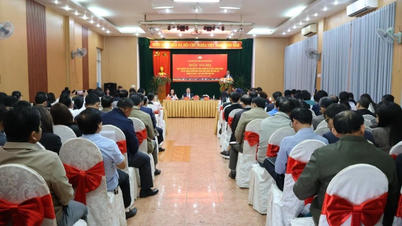
On the afternoon of December 8, under the chairmanship of National Assembly Chairman Tran Thanh Man and the direction of National Assembly Vice Chairman Vu Hong Thanh, the National Assembly discussed in the Hall: a number of specific mechanisms and policies applicable to the high-speed railway project on the North-South axis; Investment policy for the Gia Binh International Airport construction investment project; Investment policy for the Vinh - Thanh Thuy Expressway construction investment project; the adjustment of the content of Resolution No. 94/2015/QH13 of the National Assembly on the investment policy for Long Thanh International Airport; the amendment and supplementation of Resolution No. 170/2024/QH15 dated November 30, 2024 of the National Assembly on specific mechanisms and policies to remove difficulties and obstacles for projects and land in the inspection, examination and judgment conclusions in Ho Chi Minh City, Da Nang City and Khanh Hoa Province.
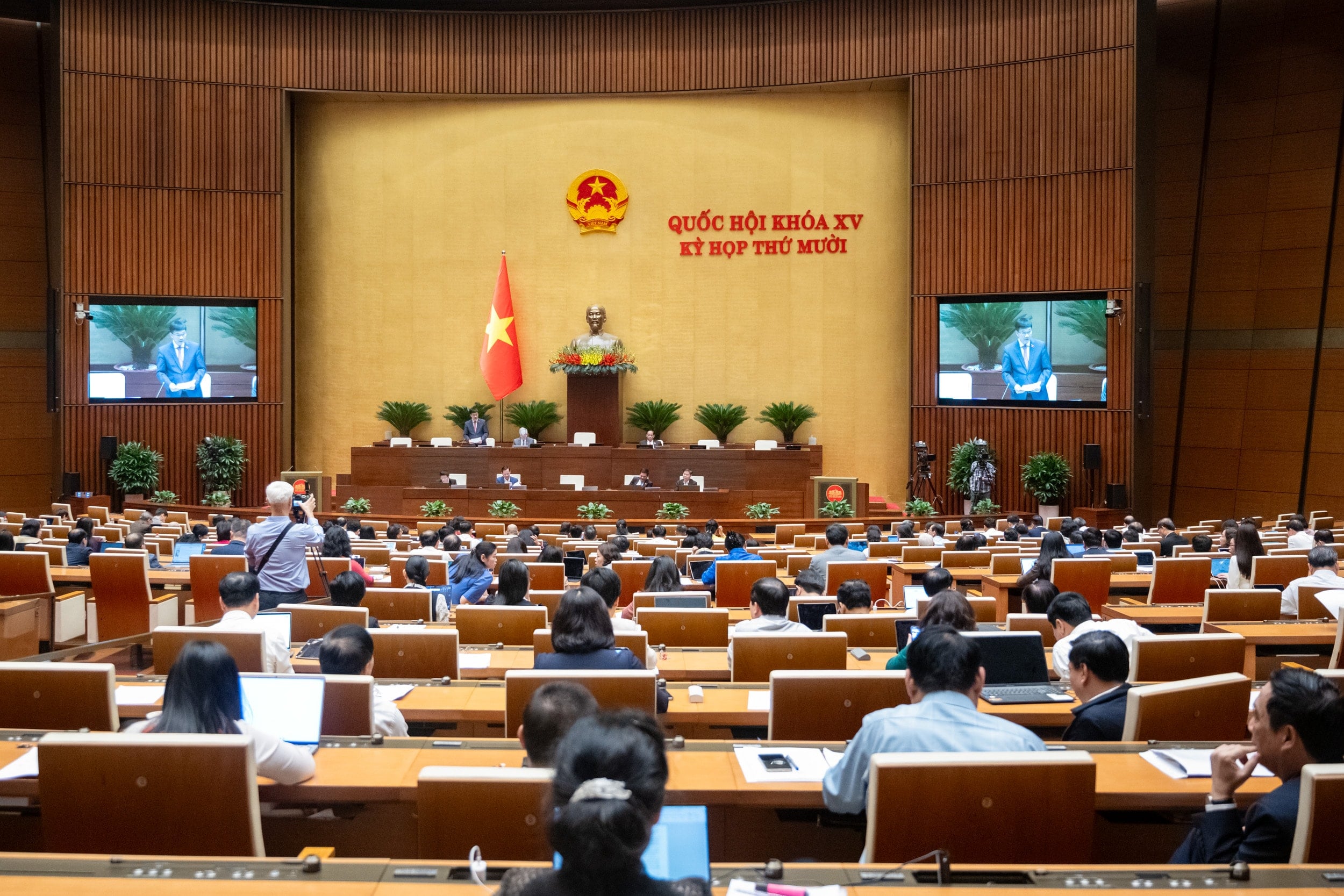
Relocating historical relics must still ensure their inherent historical character.
Giving opinions on the investment policy of the Gia Binh International Airport construction project, the National Assembly deputies basically agreed and said that this is a project that plays an important role in promoting a new growth pole in the East of Hanoi.
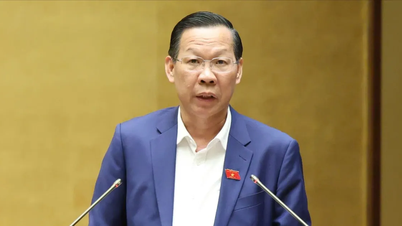
According to National Assembly Deputy Tran Van Tien (Phu Tho), the draft Resolution allows the People's Committee of Bac Ninh province to relocate historical and cultural relics. The Government has explained that relocating historical and cultural relics does not affect the original value of the relics, so the historical and cultural relics should continue to be recognized after relocation.
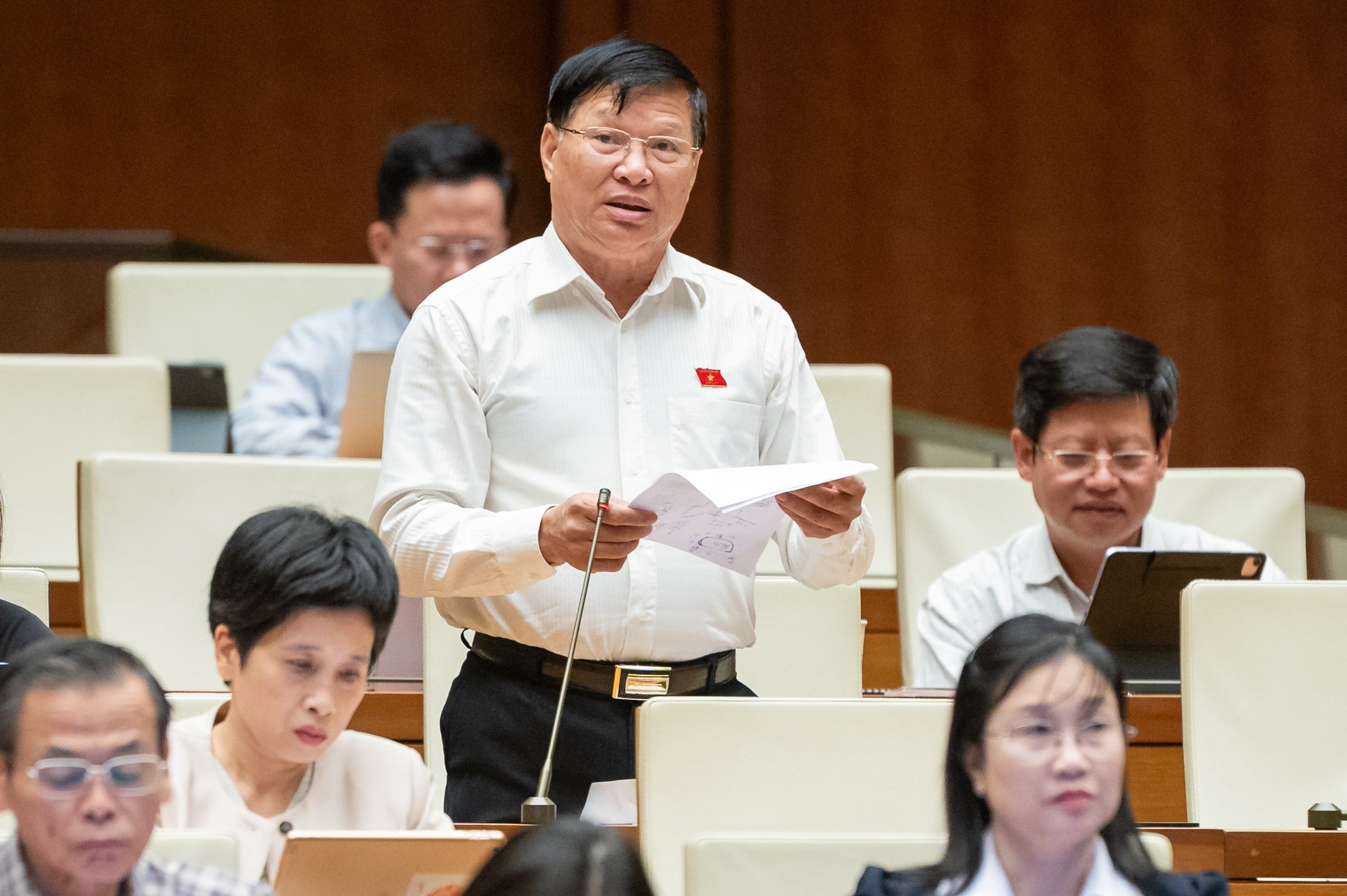
However, at points a, b and c, Clause 1, Article 22 of the 2024 Law on Cultural Heritage, it is stipulated that regarding historical relics, construction works and locations must be associated with typical historical and cultural events of the nation or locality in the process of building and defending the country, or associated with the life and career of national heroes, celebrities, historical figures, or associated with the history of industrial, urban and rural development, having a positive influence on the development of the nation or locality.
“Thus, for historical relics, the key is that the construction site must be associated with a historical event. Now, moving to a new location, the new location does not fall under one of the provisions in Point a, Point b and Point c, Clause 1, Article 22 of the Law on Cultural Heritage. If we continue to recognize it as a historical relic, will its historical significance still exist?”, delegate Tran Van Tien wondered.
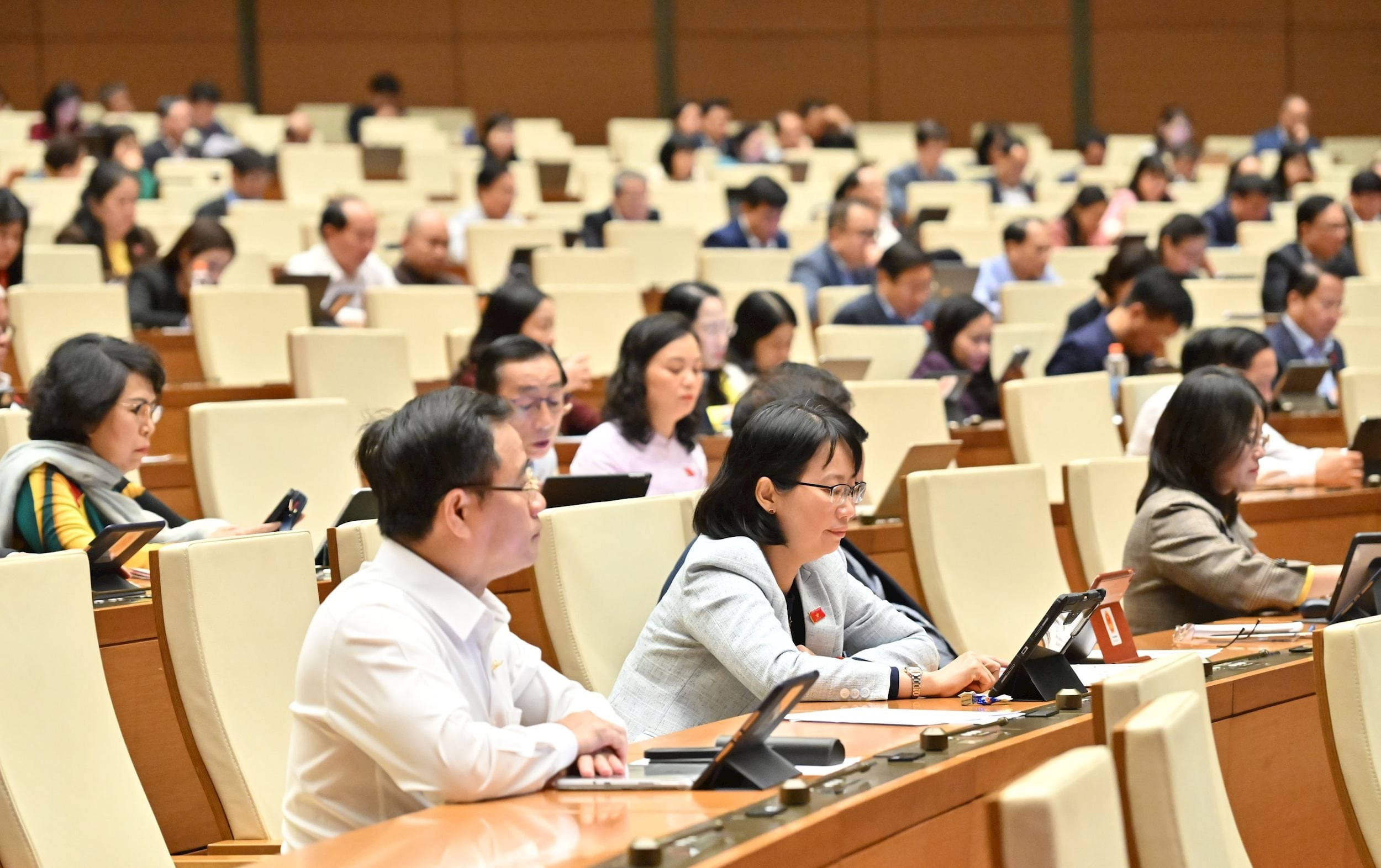
Therefore, delegate Tran Van Tien suggested that research should be conducted to ensure the relocation of historical relics still preserves the inherent historical character of the relics.
Regarding investment capital and investment sources, the Project estimates the total investment capital at about 196,000 billion VND, of which equity capital accounts for 15%, the remaining capital is mobilized from other legal sources and does not use state capital.
However, according to delegate Tran Van Tien, in section V.3.8 of the Project explanatory note, there is mention of state capital to implement the reimbursement of technical infrastructure works. Accordingly, including: cemeteries; religious and resettlement works; schools, educational facilities; irrigation works; roads; power lines and other technical infrastructure. Thus, state capital is also involved in the Project.
Therefore, delegate Tran Van Tien requested to clarify the total state capital to reimburse the technical infrastructure works and from which source, the central budget or the local budget or both? At the same time, it is necessary to recalculate the total investment capital of the Project and the capital recovery period when there is also state capital participation to ensure feasibility.
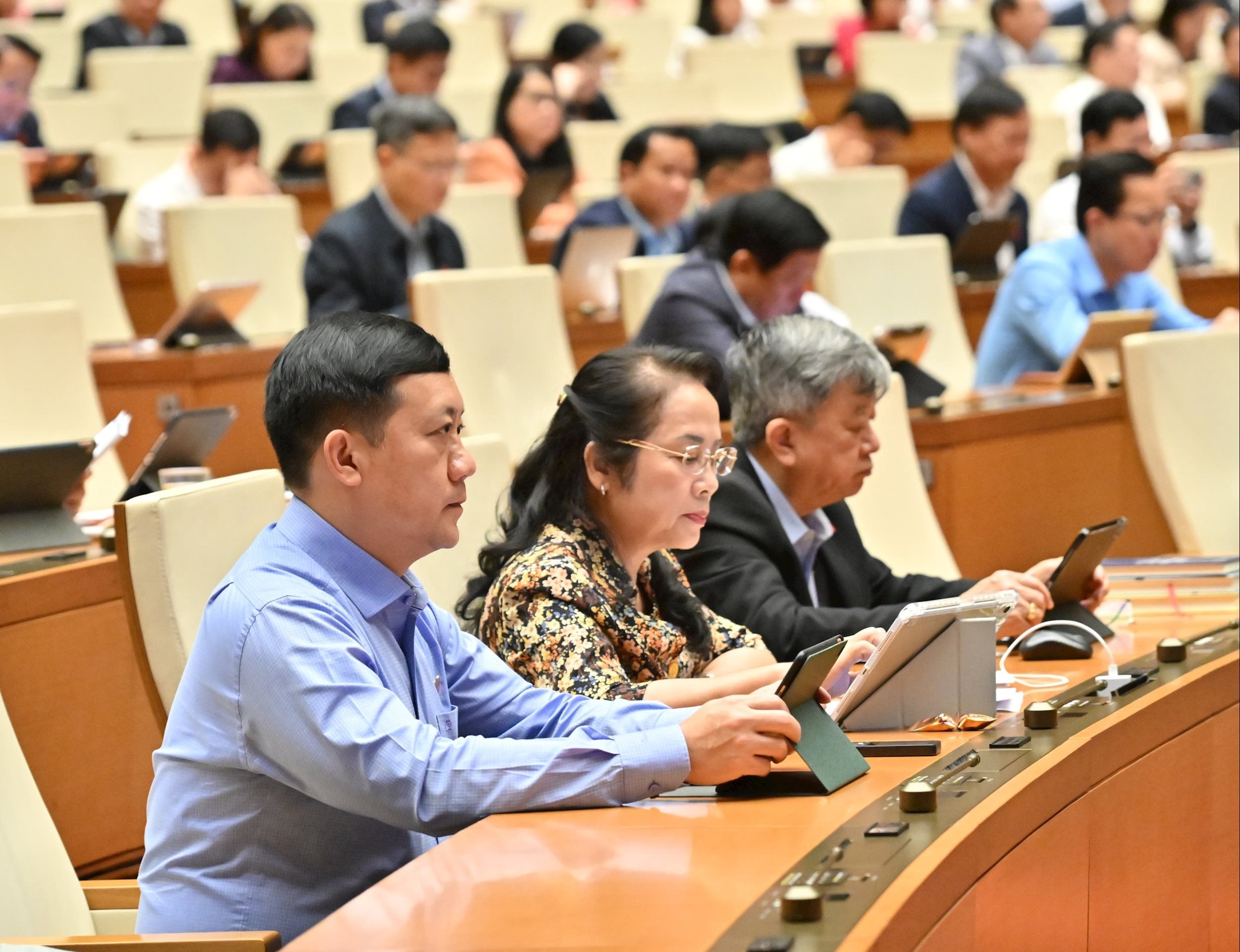
Concerned about compensation and resettlement, National Assembly Deputy Nguyen Hoang Bao Tran (Ho Chi Minh City) said that when land is recovered on a large scale with more than 7,000 households, what people worry about most is not whether the compensation price is high or low, but how they will live after receiving compensation, whether they will have a job or not, whether their children will have a stable place to study or not, and whether they will be pushed out of their living space or not?
Therefore, delegate Nguyen Hoang Bao Tran suggested that the National Assembly should require mandatory impact assessments on people's lives similar to environmental impact assessments. Assessments must be independent, transparent, not included in economic and technical reports; assessment results must be used to design long-term livelihood policies, not just one-time compensation.
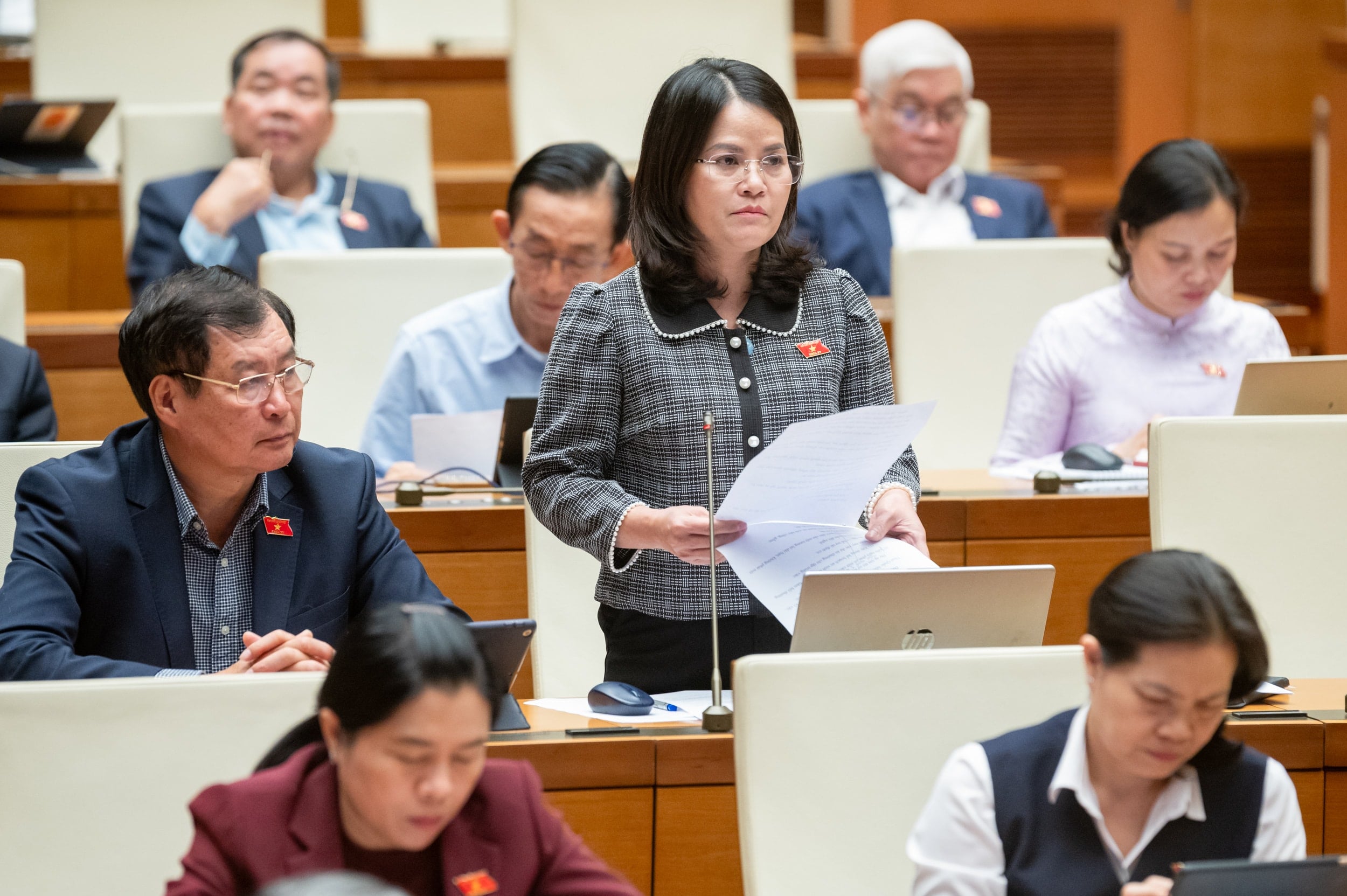
Delegate Nguyen Hoang Bao Tran also emphasized that resettlement must be about re-establishing life, not just about arranging accommodation; resettlement to be successful must ensure three factors: living space suitable to the habits and living culture of the people; housing with space for community communication; proximity to the workplace or creating a workplace right in the residential area. Investors must be responsible for accompanying the people's lives in addition to compensation.
Calculating the slope of the road slope in accordance with hydrogeology
Regarding the Vinh - Thanh Thuy Expressway Construction Investment Project, National Assembly Deputies expressed their approval of the necessity of investing in the Project with significance in all aspects of foreign affairs, ensuring national defense and security, and economic development.
National Assembly Deputy Tran Nhat Minh (Nghe An) said that for Nghe An province, the Vinh - Thanh Thuy expressway mainly passes through the communes in the western part of Nghe An - where there are still many difficulties, the average income per capita of this area is much lower than the national average. The formation of this route will create an important infrastructure foundation to promote the development of the Thanh Thuy Border Gate economic zone, creating a premise for development in the neighboring area, helping people to connect and trade goods.
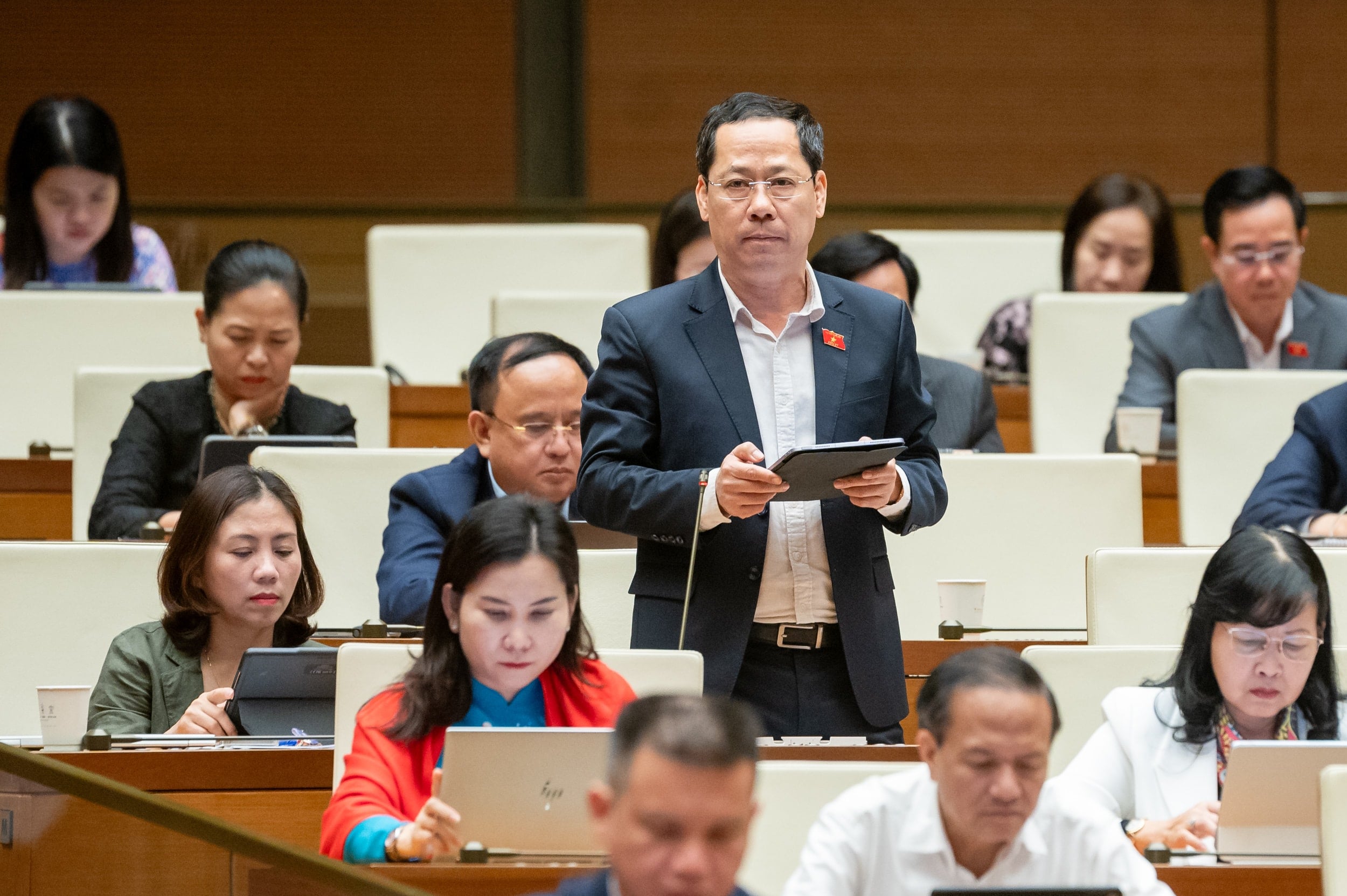
In addition, delegate Tran Nhat Minh requested to clarify the content of the draft Resolution which stipulates that the Project, when completed, will be implemented according to the standard scale of 6 lanes, but in the period 2026 - 2030, it will be implemented according to the scale of 4 lanes. Along with the clearance of the entire route according to the scale of 6 lanes.
However, the provisions in Point a, Clause 5, Article 2 of the draft Resolution do not clearly show whether the total investment of the Project is for the goal of completing all 6 lanes or only the 4-lane phase? Meanwhile, the draft Resolution does not divide the phases but only calls it investment in the construction of the Vinh - Thanh Thuy expressway.
Therefore, to facilitate the implementation of the Project, delegate Tran Nhat Minh proposed to adjust the title of Clause 5, Article 2 of the draft Resolution to "preliminary total investment and capital sources for the period 2026 - 2030" to accurately reflect the usage needs of this period.
According to the explanation of the Pre-Feasibility Study Report, from Km 25+200 to Km 37+500 is a low-lying area, often flooded during the flood season (overflow 1-24).
However, delegate Tran Van Tien said that according to the preliminary design drawing, the section from Km 25+200 to Km 37+500 only includes a total of 2142.3km of bridges, the remaining 10.16km is filled with earth to make the roadbed. On the other hand, through the two storms No. 13 and No. 14, it was shown that the storms caused a lot of damage to people and property.
Therefore, to limit flooding and ensure the existing natural flow, delegate Tran Van Tien suggested that the section from Km 25+200 to Km 37+500 as well as the entire route, for the sections with embanked earth roadbeds, should be replaced with viaducts to limit the division of terrain as well as avoid obstructing the flow, leading to local flooding; limit land acquisition as well as mineral exploitation for embankment.
In addition, from Km 37+500 to the end of the route, most of the hills have steep slopes. Delegate Tran Van Tien suggested that it is necessary to calculate the slope of the road slope in accordance with hydrogeology, to avoid landslides when heavy rain occurs for many days.
Source: https://daibieunhandan.vn/viec-dau-tu-du-an-gop-phan-thuc-day-cuc-tang-truong-moi-phia-dong-ha-noi-10399688.html

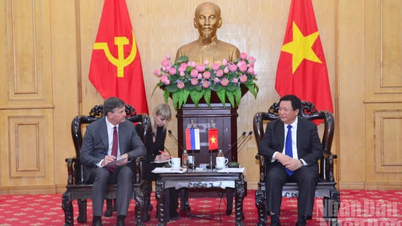
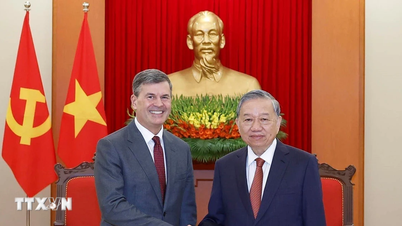
![[Photo] General Secretary To Lam receives the Director of the Academy of Public Administration and National Economy under the President of the Russian Federation](/_next/image?url=https%3A%2F%2Fvphoto.vietnam.vn%2Fthumb%2F1200x675%2Fvietnam%2Fresource%2FIMAGE%2F2025%2F12%2F08%2F1765200203892_a1-bnd-0933-4198-jpg.webp&w=3840&q=75)










































































Comment (0)