

- Smoking reduces fertility
- Create a smoke-free workplace environment.
- Sophisticated e-cigarettes containing drugs
- Smoking causes chronic obstructive pulmonary disease.
Passive smoking is when a person inhales cigarette smoke from another person, including smoke from the burning end of a cigarette and smoke exhaled by the smoker. This is a form of exposure to toxic substances in cigarette smoke, causing serious health effects. Passive smoking increases the risk of lung cancer, cardiovascular disease, respiratory diseases; especially dangerous for children, can affect the development of the brain and nervous system of children.
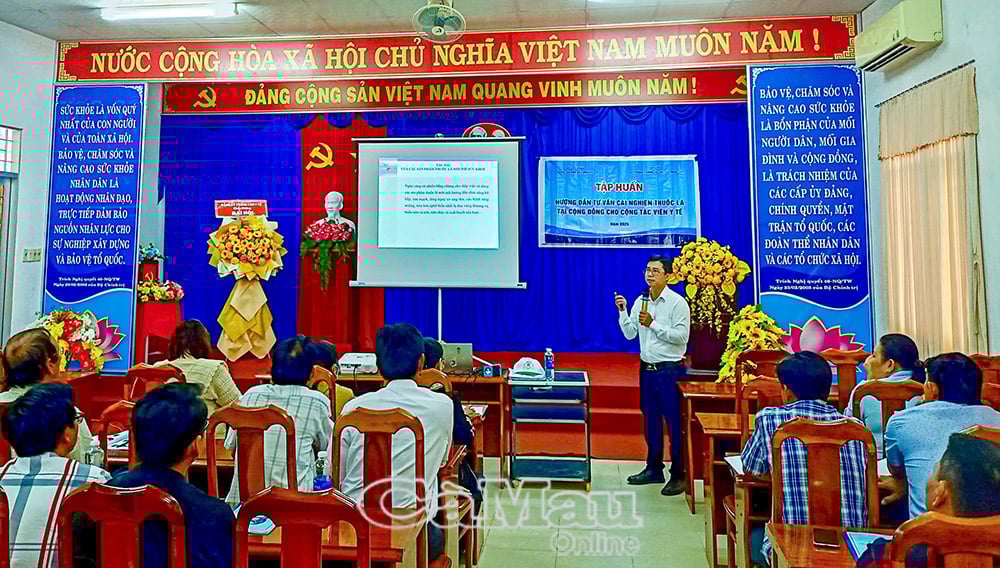
Dr. Huynh Ngoc Lan Chi, Head of Luong The Tran Commune Health Station, said that passive smoking is the state of inhaling cigarette smoke from the surrounding environment without directly smoking. Smoke produced from cigarettes is divided into 4 streams of smoke. First is the smoke from the burning end of the cigarette, which has the most toxic substances because the tobacco fibers do not burn completely. Second is the smoke produced when people inhale into the lungs, only the smoker is harmed, but this smoke is the least toxic because the smoker creates a wind that helps burn the tobacco fibers almost completely, creating CO2 and water vapor. Third is the smoke exhaled by the smoker, which can carry pathogens if the smoker has infectious diseases such as tuberculosis, measles, flu, etc. Fourth is the settled smoke, which means that after the cigarette is finished smoking, the smoke is no longer seen coming out, but there is still a stream of toxic cigarette smoke remaining in the environment.
“The fourth stream of smoke can stick to hair, clothes, and items carried elsewhere. For example, if we do not smoke but go to work with smokers, we will be exposed to secondhand smoke. When we come home and come into contact with our relatives, they will also be exposed to secondhand smoke,” Dr. Chi emphasized.
Cigarette smoke contains many toxic substances, including: Benzopyrene organic compounds, Formaldehyde organic compounds, lead, carbon monoxide, arsenic, ammonia, cyanide. Some of these toxic substances enter the lungs and blood from the air, increasing the risk of disease. Studies show that living with a smoker increases the risk of lung cancer by 20-30%. Exposure to cigarette smoke can increase the risk of other cancers (cervical cancer, kidney, nasopharynx, rectum and brain tumors) by at least 30%. Passive smoking also causes other health problems, including asthma and heart disease. People such as pregnant women, the elderly, people with respiratory or heart disease are at risk of more serious health effects from cigarette smoke. Especially for infants and young children, their bodies and lungs are still in the process of perfecting and developing, if exposed to cigarette smoke, there is a risk of a number of diseases such as: ear infections, asthma, lung infections, coughs, wheezing, sudden infant death syndrome (SIDS).
"To prevent the harmful effects of secondhand smoke, it is necessary for each individual, each family and the whole community to join hands to establish a smoke-free environment. Support a smoke-free working environment, choose smoke-free public places. Protect children and family members by avoiding exposure to cigarette smoke and supporting relatives to quit smoking. Share information about the harmful effects of secondhand smoke with friends, relatives or colleagues. Participate in propaganda activities organized by localities, schools... to spread the message of protecting public health," Dr. Chi recommended.
Huyen Tran
Source: https://baocamau.vn/luong-nho-khoi-thuoc-co-the-giay-ra-ton-thuong-lon-cho-suc-khoe-a122550.html











































































Comment (0)